Dr. Wu Mingjie: Academic Thought & Clinical Experience in Fengyang Daoist TCM
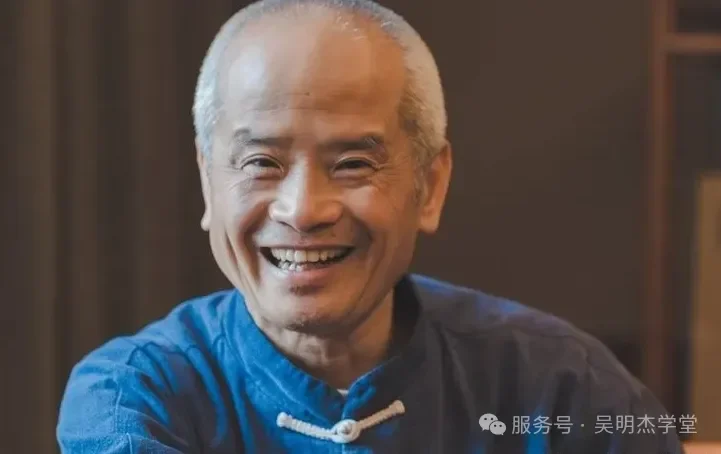
Abstract: Dr. Wu Mingjie is a Chinese-American doctor of Traditional Chinese Medicine, the 20th-generation inheritor of Fengyang Daoist Medicine, and a 3rd-generation lineage holder of TCM Master Deng Tietao (as a direct disciple of Professor Xiao Xinhe). Born into a Chaoshan family of TCM practitioners, he brings over forty years of clinical experience, integrating Lingnan medicine, Daoist and Chan (Zen) philosophy, and Taiji practice. Grounded in classical formulas (jingfang), he specializes in oncology, blood disorders, and complex chronic conditions for patients worldwide. This article outlines his six core academic principles, three-in-one treatment system, clinical specialties, and academic achievements.
I. Physician Profile
| Item | Details |
|---|---|
| Name | Dr. Wu Mingjie (吴明杰 博士) |
| Nationality / Practice | Chinese-American TCM doctor; practices in Massachusetts, USA (Wu Healing Center) |
| Lineage | 20th-generation inheritor of Fengyang Daoist Medicine; 3rd-generation lineage holder of TCM Master Deng Tietao (direct disciple of Professor Xiao Xinhe) |
| Family Heritage | Born into a Chaoshan (Teochew) family of TCM practitioners |
| Clinical Experience | 40+ years |
| Academic Foundation | Lingnan medicine + Chaoshan Fengyang Daoist Medicine + Daoist/Chan philosophy + Taiji |
| Classical Roots | Classical formulas (jingfang) from Shanghan Lun and Jingui Yaolüe |
| Specialties | Oncology, blood disorders, and complex chronic conditions worldwide |
Integrating Lingnan medicine, Daoist philosophy, Chan (Zen) teachings, and Taiji practice, and grounded firmly in classical formulas, Dr. Wu has developed a distinctive "medicine and Dao share one source" (医道同源) clinical system—serving patients with intractable conditions across the globe for over four decades.
II. Six Core Academic Principles
1️⃣ Seventy Percent Nourishment, Thirty Percent Treatment (Core Philosophy)
Healing does not rely on medicine alone: treatment is 30%, nourishment is 70%.
| Dimension | Content | Role |
|---|---|---|
| 30% Treatment | Herbal medicine, acupuncture, Tui Na | Dispel pathogens / treat the manifestation |
| 70% Nourishment | Mindset, daily routine, diet, Taiji guidance | Awaken the body's self-healing capacity and remove the root of disease |
- Opposes aggressive, forceful attacking treatments;
- Emphasizes "treating disease before it arises" (治未病);
- Stresses active patient participation in self-health management—nourishment is the key to eradicating the root.
2️⃣ Medicine & Dao Share One Source; Body-Mind Unity; When the Heart Is at Peace, the Body Is at Peace
Dr. Wu weaves the Daoist Daodejing and the Chan teachings of Huineng (Sixth Patriarch) into clinical practice.
Core pathological view: Many modern chronic diseases and tumors are not merely organ-level problems—
Emotional stagnation and obsessive anxiety → disturb Liver qi → qi stagnation → blood stasis, phlegm congealing, toxin accumulation
This chain is a major contributor to disease onset.
Treatment principle: harmonizing body and mind together
- Use herbal medicine to regulate the zang-fu organs;
- Simultaneously counsel the psyche, guiding patients to release fear and obsessive attachment;
- Only when the inner heart is calm can qi and blood flow smoothly.
3️⃣ Heaven-Human Correspondence; Emphasizing Yang Qi; Advocating Movement-Based Nourishment
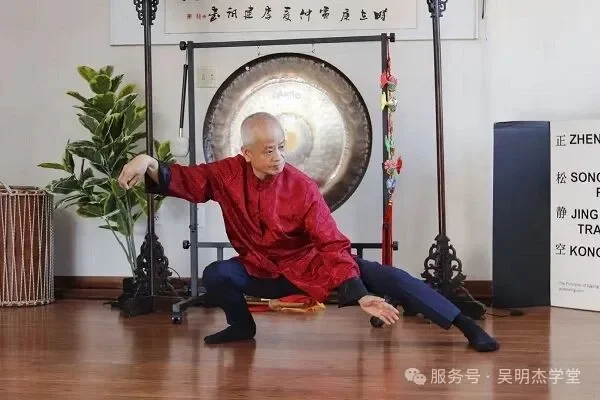
- Created the Fengyang Taiji Eight Forms;
- Advises connecting with nature in the morning, combining sunlight with Taiji guidance as a highly efficient means of tonifying yang;
- Holds that yang qi is the foundation of life, and chronic disease almost always involves yang depletion;
- Beyond herbal yang tonification, he prioritizes nature, movement, and daily routine to cultivate primal yang.
4️⃣ Pathology of Complex Disease: Damp-Heat, Stasis, Toxin, and Deficiency Intertwined
For tumors, blood disorders, and long-term chronic conditions:
| Level | Pathomechanism |
|---|---|
| Root (Righteous qi) | Deficiency of righteous qi |
| Manifestation (Evil excess) | Damp-heat, phlegm-stasis, toxin-turbidity |
- Does not advocate indiscriminate attacking or breaking of pathogens;
- Approach: fortify the root and secure the foundation first, while simultaneously clearing damp-heat and dissipating stasis and toxin;
- The goal is to reshape the body's internal environment so pathogens cannot survive—not merely to suppress lab numbers.
5️⃣ TCM & Western Medicine Complementary; Not Rejecting Modern Diagnostics
- Uses Western lab tests and imaging as reference;
- Diagnosis remains rooted in TCM's four examinations and pattern differentiation;
- Modern tests read indicators; TCM reads the whole picture of yin-yang, qi, and blood;
- Combining both raises diagnostic accuracy in overseas clinical practice.
6️⃣ Transmission: Great Physicians Are Sincere; Benevolent Skill Comes First
- Accepts disciples through traditional apprenticeship rites;
- Emphasizes "to learn medicine, first learn to be a good person";
- Medical technique can be taught, but the character of a physician—benevolence and joy in helping others—is the true heart of transmission;
- A physician must hold a compassionate heart.
III. Clinical Experience Highlights
(A) Treatment System: Internal Medicine + External Therapy + Movement Guidance ("Three-in-One")
| Module | Content |
|---|---|
| ① Classical Formulas as Foundation | Skillful use of Shanghan and Jingui formulas—Xiao Chai Hu Tang, Danggui Shaoyao San, Huangqi Jianzhong Tang, Zhenwu Tang—modified flexibly; grasping the primary pattern rather than rigid symptom-matching, adapted to Lingnan and overseas constitutions |
| ② Fengyang Daoist External Therapies | Fengyang Tui Na, acupoint bloodletting, prickling (tiaozhi), and moxibustion; skillful use of Shuiquan (KI5) and Jingbailao (EX-HN15) for emergencies (e.g., strong stimulation of Shuiquan for immediate relief of renal colic); emphasis on back Jiaji reaction points for intractable internal organ disorders |
| ③ Fengyang Taiji Movement Guidance | Treats Taiji as part of the treatment itself, teaching patients daily practice to unblock meridians and regulate emotion for long-term chronic disease rehabilitation |
(B) Clinical Specialties
Category Conditions Oncology & blood disorders Lymphoma, platelet abnormalities, supported by natural therapy Chronic gastrointestinal disease Colitis, chronic diarrhea, spleen-stomach weakness Respiratory system Chronic cough, asthma, allergic cough and wheezing Urinary system Kidney stones / renal colic, frequent urination, kidney-deficiency low back pain Complex chronic conditions Heart valve regurgitation, nodules and hyperplasia, endocrine disorders, long-standing impediment (Bi) pain
(C) Clinical Practice & Prescribing Principles
- Emphasis on dietary avoidance: Chronic and complex diseases often recur because patients continue to ingest triggering factors—dietary avoidance is a critical therapeutic step that cuts off the disease source.
- Opposes chasing quick results: Chronic disease requires gradual, step-by-step progress.
- Protecting the spleen-stomach first: Once the spleen-stomach collapses, no medicine can work.
- Restoring damaged yang qi: Overseas patients often show righteous qi depletion from long-term antibiotics and Western medications; clinical work frequently includes repairing damaged spleen-stomach yang.
- Case-taking approach: Not只看 lab numbers—comprehensively assesses tongue and pulse, mental state, sleep, urination and defecation, and emotional condition.
(D) Academic Achievements
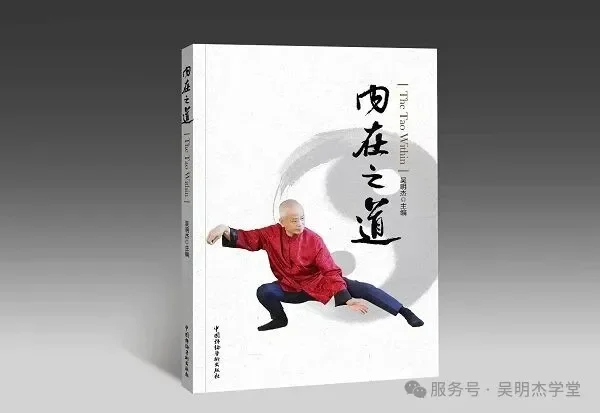
Category Achievement Doctoral DissertationResearch on Natural Therapies for the Prevention and Treatment of TumorsBookThe Inner Dao (内在之道), published in Chinese and English US Patent****US 12,558,390 B2 (herbal formulation for blood disorders and oncology) Founded Systems****Fengyang Daoist Tui Na, Fengyang Taiji Eight Forms, Centenarian Project wellness method (百岁工程养生法)
IV. Summary
> Academic foundation:> Lingnan TCM + Chaoshan Fengyang Daoist Medicine + Chan-Daoist thought
> Clinical model:> Classical-formula herbal medicine + traditional external therapies + Taiji body-mind guidance + diet and emotional nourishment
> Core principle:> Seventy percent nourishment, thirty percent treatment; fortify the root and dispel pathogens; harmonize body and mind
> Service scope:> Intractable and complex conditions worldwide
Across four decades of clinical practice, Dr. Wu Mingjie has consistently embodied the ideal of the "great physician of absolute sincerity" (大医精诚)—grounded in benevolence, using medical skill as the instrument, and movement guidance as nourishment, helping patients awaken their self-healing capacity and return to body-mind balance.
Related Reading
- What Are the Fengyang Taiji Eight Forms? (Exclusive IP)
- Huatuo Jiaji Points: The "Hidden Switches" Along the Spine
- Shuiquan (KI5) Acupressure for Renal Colic: Instant Relief in 2 Minutes
- Pressing Bailao Point (EX-HN15) for Chronic Cough & Asthma
- Daoist Longevity for Busy People: 70% Nourishment, 30% Treatment
Wu Mingjie TCM Team · Fengyang Daoist Medicine | Lineage of Fengyang Daoist Tui Na__Fengyang Daoist Institute of TCM (USA) | wuhealing.com
⚠️ > Disclaimer:> This article introduces a physician's academic thought and clinical experience. It does not constitute diagnostic or treatment advice. Conditions vary by individual—please consult a qualified TCM practitioner for in-person pattern differentiation before treatment.