Dr. Chen Qingzhen: Fengyang Daoist TCM Inheritor, Wellness Philosophy & Three-in-One Clinical Practice
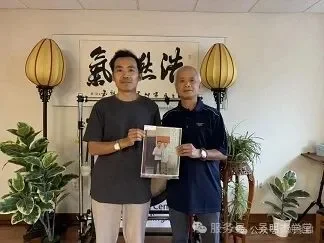
Abstract: Dr. Chen Qingzhen (born 1981 in Xiangyang, Hubei), trained at the Guangzhou University of Chinese Medicine (Acupuncture & Tui Na), formally entered the Fengyang Daoist Medical lineage in 2003 as one of Dr. Wu Mingjie's early direct disciples (4th-generation lineage of TCM Master Deng Tietao). He fully inherits the Fengyang "70% nourishment, 30% treatment" system and serves as the core inheritor of Fengyang Daoist Medicine in China, heading the Shantou Fengyang Daoist TCM Training Base. His clinical work centers on the spleen-stomach and Lingnan/eastern Guangdong constitutions, delivered through a three-in-one model: internal herbal medicine + Fengyang nine-line acupoint Tui Na + Fengyang Taiji guidance. He also advances a "China consultation–US mentor remote co-consultation" model.
I. Practitioner Profile
| Item | Details |
|---|---|
| Name | Dr. Chen Qingzhen (陈青镇) |
| Born | 1981, Xiangyang, Hubei |
| Education | Guangzhou University of Chinese Medicine, College of Acupuncture & Tui Na |
| Lineage | 4th-generation lineage of TCM Master Deng Tietao; early direct disciple of Dr. Wu Mingjie |
| Apprenticeship | Formally apprenticed in 2003, entering the Fengyang Daoist Medical lineage |
| Role | Core inheritor of Fengyang Daoist Medicine in China |
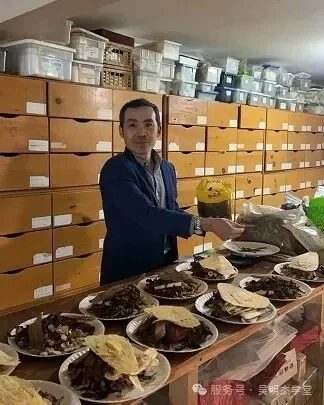
| Base | Head of the Shantou Fengyang Daoist TCM Training Base |
| Clinical Model | Internal herbal medicine + Fengyang external therapy + wellness guidance ("three-in-one") |
| Scope | Clinical practice, external-technique teaching, TCM culture dissemination, US-China remote case consultation |
In his early years, Dr. Chen accompanied his mentor on clinical rounds throughout Puning and Jieyang, fully inheriting the Fengyang "70% nourishment, 30% treatment" academic system. He balances clinical work, external-technique instruction, and TCM culture dissemination, and connects case discussions between China and the US.
II. Lineage
TCM Master Deng Tietao → Prof. Xiao Xinhe → Dr. Wu Mingjie → Dr. Chen Qingzhen| Year | Milestone |
|---|---|
| 2003 | Formally apprenticed to Dr. Wu Mingjie; systematically studied classical-formula herbal medicine, Fengyang Tui Na and acupoint therapy, Taiji guidance, and natural therapy |
| Early years | Accompanied his mentor on grassroots rounds in eastern Guangdong (Puning, Jieyang), accumulating extensive clinical experience with Lingnan and Chaoshan constitutions |
| 2024 | Traveled to Connecticut and Massachusetts, USA for clinical observation; studied overseas approaches to complex disease and joined cross-border case consultations, linking clinical experience between China and the US |
| China base | Head of the Shantou Fengyang Daoist TCM Training Base—conducting consultations, technique transmission, and free clinics, rooting the Fengyang system in eastern Guangdong |
| Expansion | Free clinics in Shenzhen; a China–US teleconsultation model—patients seen in China, with Dr. Wu Mingjie in the US joining case discussions |
III. Core Wellness & Clinical Philosophy (Four Pillars)
1️⃣ Upholding the Lineage: 70% Nourishment, 30% Treatment
| Dimension | Content | Role |
|---|---|---|
| 30% Treatment | Herbal medicine, Tui Na | Treatment methods |
| 70% Nourishment | Daily routine, dietary avoidance, emotions, movement guidance | The foundation of recovery |
- Places great emphasis on dietary avoidance: without cutting off disease-triggering factors, chronic conditions easily relapse;
- Treatment must mobilize the body's self-healing capacity;
- Does not pursue rapid, aggressive results—chronic disease requires gradual, steady progress.
2️⃣ Spleen-Stomach as the Foundation; Treating Lingnan / Eastern Guangdong Constitutions
Constitutional profile of eastern Guangdong: predominantly damp-heat interwoven with spleen deficiency. Local habits of late nights and rich, heavily flavored foods commonly produce spleen deficiency with dampness, and qi deficiency with blood stasis.
Clinical approach:
- Protect the spleen-stomach first;
- Fortify spleen and boost qi while transforming dampness and dissipating stasis—simultaneously;
- Skillful use of Lingnan native herbs—Radix Fici Hirtae (五指毛桃, "Southern Astragalus"), Radix Millettiae Speciosae (牛大力), Astragalus (黄芪), Codonopsis (党参);
- Avoids indiscriminate use of bitter-cold attacking herbs (which damage spleen yang).
💡 Lingnan herbal wisdom: Radix Fici Hirtae ("Southern Astragalus") fortifies the spleen, boosts qi, and transforms damp-phlegm; Radix Millettiae Speciosae tonifies deficiency, moistens the lung, and strengthens sinews. Both are mild in nature—ideal for eastern Guangdong's damp-heat-with-deficiency constitution, perfectly matching Fengyang's principle of "protecting righteous qi."
3️⃣ Three-in-One Treatment Model: Internal Herbs + Fengyang External Therapy + Wellness Guidance
① Internal Medicine: Rooted in Shanghan Classical Formulas, Adapted with Lingnan Folk Herbs
- Skilled with center-supplementing and qi-boosting formulas, using Astragalus (黄芪) generously for chronic non-healing ulcers and hard-to-recover qi deficiency;
- Documented cases include: external-contraction fever, impediment (Bi) pain, chronic non-healing wounds from insect/toxin injury, damp-heat impediment regulation;
- Also addresses sub-health and chronic internal-medicine miscellaneous disorders.
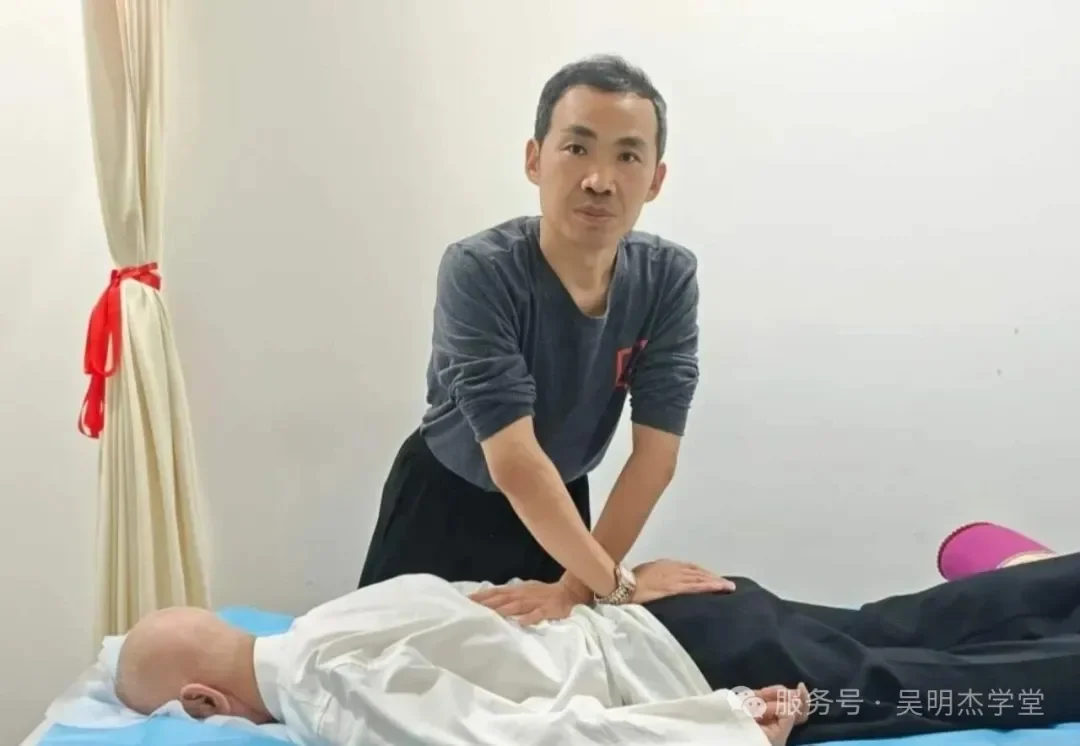
② External Therapy: Fengyang Nine-Line Acupoint Tui Na (Senior Fengyang Tui Na Practitioner)
A signature Fengyang Daoist Tui Na method—acupoint stimulation and release along nine reaction lines on the back, combined with fire cupping.
| Action | Indications |
|---|---|
| Regulates cervical/lumbar spine and joint pain | Cervical spondylosis, lumbar disorders, shoulder/knee impediment pain |
| Regulates visceral dysfunction | Skillful use of back Shu points to regulate the zang-fu organs |
| Addresses stubborn conditions | Musculoskeletal stubborn disorders, fatigue syndrome |
③ Movement Guidance: Promoting the Fengyang Taiji Eight Forms
- Integrates Taiji guidance into wellness plans, teaching patients daily practice;
- Tonifies yang and unblocks the meridians as a long-term chronic-disease rehabilitation method;
- Extends treatment into home-based self-care.
4️⃣ Body-Mind Harmony; Integrating Chinese and Western Medicine
- References modern lab indicators, yet centers on TCM's four examinations and pattern differentiation;
- Emphasizes the impact of emotional stagnation on chronic disease;
- Intake covers sleep, urination and defecation, and mental-emotional state—never focusing narrowly on a local symptom.
IV. Clinical Specialties
| Category | Focus Areas |
|---|---|
| Musculoskeletal | Cervical & lumbar spine disorders, shoulder/knee impediment pain, chronic strain |
| Internal medicine | Spleen deficiency with damp encumbrance, fatigue, recurrent external contraction, damp-heat impediment pain |
| Surgical support | Non-healing wounds due to qi deficiency |
| Constitutional care | Sub-health constitution regulation, chronic disease recovery phase |
| Special model | Complex disease China–US joint consultation |
V. Transmission & Teaching Work
| Direction | Activities |
|---|---|
| Training base | Established the Shantou Fengyang Daoist TCM Training Base as the domestic transmission site for Fengyang Daoist Medicine—conducting clinical mentoring and technique instruction, popularizing Daoist medical wellness culture across eastern Guangdong |
| China–US exchange | Implemented the "China consultation–US mentor remote co-consultation" model, bringing overseas clinical experience back to China |
| Apprenticeship rites | Participates in formal disciple-initiation ceremonies, continuing the traditional spirit of lineage transmission |
| Case dissemination | Compiles clinical case records and shares authentic diagnostic and treatment cases, spreading Fengyang's natural therapy philosophy |
VI. Summary in Brief
Dr. Chen Qingzhen carries forward Dr. Wu Mingjie's Fengyang Daoist medical system, rooting it in eastern Guangdong. Centered on the spleen-stomach, he practices a three-in-one model of herbal medicine + Fengyang Tui Na + Taiji guidance, upholding 70% nourishment and 30% treatment. He balances clinical care with TCM lineage transmission, advancing Fengyang Daoist TCM's establishment and dissemination throughout China.
From studying in Hubei and Guangzhou, to grassroots rounds in eastern Guangdong, to clinical observation in the United States, and finally to rooting himself at the Shantou training base—Dr. Chen's two-decade medical path is one of "inheriting the teacher's Way, taking root at the grassroots, and passing the torch onward."
Related Reading
- Dr. Wu Mingjie: Academic Thought & Clinical Experience in Fengyang Daoist TCM
- What Are the Fengyang Taiji Eight Forms? (Exclusive IP)
- Severe Stomach Pain in a 91-Year-Old Resolved in Five Doses (Chen Qingzhen Case)
- Chronic Cough & Phlegm Resolved in 5 Doses: Phlegm-Heat in the Lung (Chen Qingzhen Case)
Wu Mingjie TCM Team · Fengyang Daoist Medicine | Lineage of Fengyang Daoist Tui Na Fengyang Daoist Institute of TCM (USA) | wuhealing.com
⚠️ Disclaimer: This article introduces a practitioner's lineage and academic experience. It does not constitute diagnostic or treatment advice. Conditions vary by individual—please consult a qualified TCM practitioner for in-person pattern differentiation before treatment.