Modern Nutritional Science: Five Core Benefits
1. Brain Health & Vision Support
Salmon roe is exceptionally rich in DHA (docosahexaenoic acid), a structural component of brain cell membranes and the retina. DHA is critical for maintaining cognitive function, improving memory and focus . It also nourishes the retina, helping relieve dry eyes and visual fatigue.
💡 For knowledge workers, students, and those with heavy visual demands, a small daily spoonful of salmon roe is an efficient "brain-eye" nutritional supplement.
2. Cardiovascular Protection
EPA (eicosapentaenoic acid) helps regulate blood lipids, lower triglycerides, reduce vascular inflammation, and support healthy circulation . The Omega-3 fatty acids in roe also improve arterial flexibility, providing natural protection for the cardiovascular system.
3. Skin Nourishment & Anti-Aging
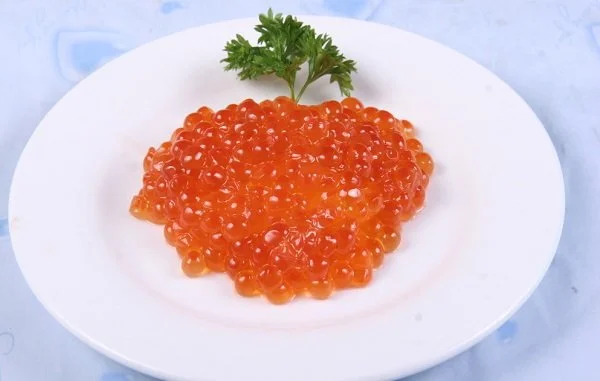
The vibrant orange-red color of salmon roe comes from astaxanthin, a potent antioxidant carotenoid that protects cells from free radical and oxidative damage . Together with lecithin and Omega-3s, it improves skin dryness, helps maintain elasticity, and slows visible aging from the inside out.
4. Energy, Blood Building & Nerve Health
Vitamin B12 (333% of daily value per 100 g) works synergistically with iron (~12 mg per 100 g) to combat fatigue, support red blood cell formation, and maintain nervous system health . For those experiencing low energy or blood deficiency patterns, roe is an excellent dietary addition.
5. Women's Hormonal Balance & Ovarian Nourishment
Rich in natural lipids, vitamin D, and zinc, wild salmon roe helps nourish the ovaries and regulate endocrine rhythms. It serves as a valuable daily tonic for menopausal women and those focused on reproductive wellness.
📊 Full Nutrition Table (per 100 g)
| Nutrient | Amount | % Daily Value |
|---|---|---|
| Calories | 250 kcal | — |
| Protein | 29 g | ~46% |
| Fat | 14 g | — |
| Omega-3 (EPA+DHA) | 3.5 g | — |
| Vitamin B12 | 20 mcg | 333% |
| Vitamin D | 232 IU | 58% |
| Selenium | 65.5 mcg | 93.6% |
| Iron | 11.88 mg | 66% |
| Magnesium | 300 mg | 75% |
| Choline | 247.5 mg | 45% |
Data source: Nutrition Advance / USDA FoodData Central
II. Traditional Chinese Medicine Perspective: Nourish Yin, Tonify the Kidneys
In TCM food therapy, wild salmon roe is characterized as follows:
- Nature & Flavor: Sweet in flavor, neutral in nature
- Meridian Tropism: Enters the Kidney, Liver, and Spleen meridians
- Core Actions: Nourishes yin and blood, tonifies kidney essence, strengthens the brain, and calms the spirit
- Best for: Those with "essence-blood deficiency" presenting as dizziness, poor memory, sore lower back and knees, easy fatigue, declining vision, and restless sleep
Daoist medicine emphasizes "form nourishes form, qi nourishes qi." As the origin of life itself, fish roe carries the concentrated essence of the parent fish; thus it tonifies the kidneys, replenishes essence, and nourishes the brain marrow. For modern individuals suffering from "dual depletion of essence and blood" due to chronic熬夜 (staying up late), overwork, and excessive worry, moderate consumption of wild salmon roe embodies the Daoist principle of "seven parts nourishment, three parts treatment" .
Recommended TCM Preparations
- Steamed with Egg: Roe steamed with egg custard—gentle and neutral, ideal for the elderly and the weak
- Congee: Added to millet or brown rice congee to nourish the stomach and generate fluids
- Light Broth: Simmered briefly with goji berry and red dates to nourish yin and tonify blood
- Small amounts raw: Only with guaranteed safe sourcing (see Precautions below)
III. ⚠️ Contraindications & Safety Notes (Read Carefully)
While nutritious, salmon roe is not suitable for everyone, nor in unlimited amounts.
1. Seafood Allergy: Strictly Avoid
Roe contains fish-specific proteins that can trigger allergic reactions—rash, itching, vomiting, even laryngeal edema. Those with any seafood allergy history must completely avoid it .
2. High Uric Acid & Gout: Minimize or Eliminate
Roe is high in purines—approximately 150–300 mg per 100 g . Excess intake can precipitate acute gout attacks. During acute flare-ups, roe should be completely avoided; during remission, weekly intake should not exceed 50 g .
3. High Cholesterol & "Three Highs" (Hypertension, Hyperlipidemia, Hyperglycemia): Portion Control
Roe is relatively high in cholesterol—approximately 300–500 mg per 100 g (higher than egg yolk) . Commercially cured roe is also high in sodium (up to 1500 mg per 100 g) . Limit each serving to no more than 30 g, choose low-sodium varieties, and avoid pairing with organ meats or egg yolks .
4. Pregnancy: Small Amounts OK, with Strict Safeguards
- Choose roe from low-mercury fish (salmon, cod); avoid roe from large predatory fish (shark, swordfish, tuna)
- Cook thoroughly (center temperature above 70°C for at least 2 minutes); never eat raw
- No more than 30 g per serving, 1–2 times per week
- Pregnant women with high cholesterol, pregnancy-induced hypertension, or cholestasis must consult a physician before consuming
5. Other Populations to Exercise Caution
- Gallbladder or pancreatic disease: High fat content may over-stimulate bile secretion and worsen symptoms
- Young children: Under 3 years, digestive enzymes are insufficient; introduce gradually after age 2, starting with no more than 5 g
- Impaired kidney function: Must control intake under medical supervision
⚠️ Medical Disclaimer: This article is for educational and dietary guidance purposes only. It does not constitute medical diagnosis or treatment advice. Individuals with pre-existing conditions or those taking medication should consult a qualified TCM practitioner or registered dietitian before adding salmon roe to their diet.
IV. Dr. Wu Mingjie's Selection & Consumption Recommendations
- Prioritize wild-caught: Wild salmon roe (e.g., Alaskan wild) surpasses farmed in both nutrition and safety
- Check origin: Premium roe is sourced from regions like Russia and Iran
- Moderate daily amount: Healthy adults should not exceed 30–50 g daily
- Pair with vegetables: Dark leafy greens provide vitamins C & E that protect Omega-3s from oxidation
- Store cold: Avoid prolonged high-heat cooking to preserve bioactive nutrients