Pumpkin Leaves: Nutrition Facts, TCM Benefits & Healthy Recipes
Keywords: Pumpkin leaves, pumpkin leaf nutrition, food as medicine, TCM benefits, pumpkin leaf recipes Abstract: Pumpkin leaves—also called pumpkin shoots or pumpkin vine leaves—are the tender stems and foliage of Cucurbita moschata (Cucurbitaceae family). Popular as a summer vegetable across Southern China and Southeast Asia, they are also valued in Traditional Chinese Medicine (TCM) as a mild, food-as-medicine ingredient. This article covers nutrition, TCM actions, modern research, three easy recipes, and safety notes.
1. What Are Pumpkin Leaves?
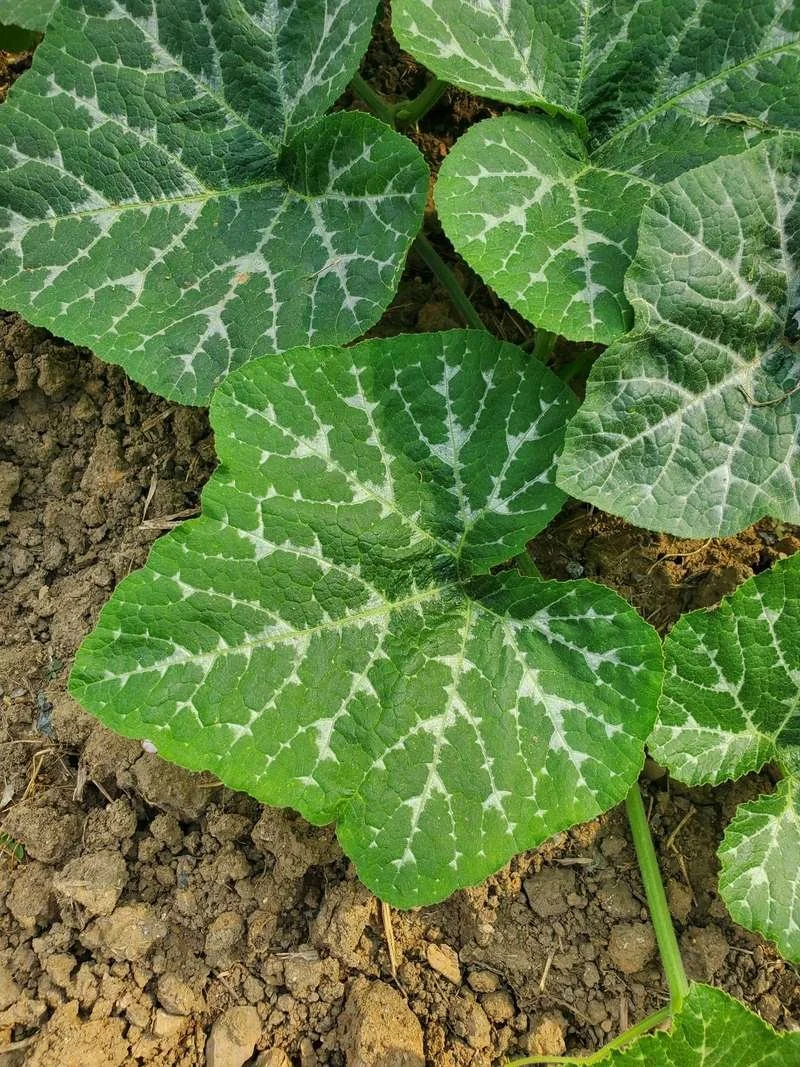
Pumpkin leaves are the young, tender leaves and stem tips of the pumpkin plant (Cucurbita moschata), a member of the gourd family (Cucurbitaceae). In Chinese they are known as 南瓜叶 (nán guā yè), 南瓜苗 (pumpkin shoots), or 南瓜藤叶 (pumpkin vine leaves).
In regions such as Chaoshan, Hunan, and Guizhou, pumpkin leaves are a beloved summer green. In TCM dietary therapy, they are classified as a food-medicine homologous ingredient—safe for everyday eating, with gentle therapeutic value.
Botanical note: Family Cucurbitaceae, genus Cucurbita, species moschata. Edible portion = young leaves and tender stems.
2. Pumpkin Leaves Nutrition Facts
Pumpkin leaves are low in calories but dense in nutrients—rich in fiber, vitamins, minerals, and plant antioxidants. Below is an overview of the key nutrients per 100g of young leaves and stems:
| Nutrient | Key Benefits | Notes |
|---|---|---|
| Dietary Fiber | Promotes gut motility, prevents constipation, supports digestive health | Abundant; ideal for dry-bowel constipation |
| Beta-Carotene (Vitamin A precursor) | Supports vision, skin health, and immune function | Converted to Vitamin A in the body |
| Vitamin C | Antioxidant; supports collagen synthesis and immunity | Best preserved by quick stir-frying |
| Folate (Vitamin B9) | Supports cell growth and hematopoiesis; vital in pregnancy | Recommended for pre-conception & pregnancy |
| Vitamin K | Supports bone health and normal blood clotting | Works synergistically with calcium |
| Calcium, Iron, Magnesium, Potassium | Bone strength, blood building, nerve conduction, cardiovascular health | Well-rounded mineral profile |
| Chlorophyll & Polyphenols | Reduce oxidative stress and protect cells | Gives leaves their deep green color |
Bottom line: Pumpkin leaves are a low-calorie, high-fiber, vitamin-rich, antioxidant-packed leafy green with a balanced nutrient profile suitable for everyday meals.
3. TCM Properties & Benefits of Pumpkin Leaves
In Traditional Chinese Medicine, pumpkin leaves are considered mild and well-tolerated by most constitutions.
| Item | Details |
|---|---|
| Nature & Flavor | Sweet, slightly bitter; Neutral (some regional herbals vary slightly) |
| Meridian Affinity | Spleen, Stomach |
| Key Trait | Mild and balanced—neither cold nor drying; suitable for all ages |
Five Core TCM Actions
1. Clear Heat & Generate Fluids (清热生津)
Indicated for summer-heat thirst and fluid insufficiency. During hot weather, pumpkin leaves in soup or stir-fry help replenish body fluids and relieve irritability.
2. Strengthen Spleen & Harmonize Stomach (健脾和胃)
Helps improve poor appetite and weak spleen-stomach function. Entering the Spleen and Stomach meridians, pumpkin leaves gently support digestion, especially for those with delicate stomachs.
3. Moisten Intestines & Promote Bowel Movement (润肠通便)
The abundant dietary fiber makes pumpkin leaves ideal for dry-bowel constipation. Fiber adds bulk to stool and promotes healthy gut motility—a natural "intestinal broom."
4. Nourish Blood & Tonify Deficiency (养血补虚)
Combined with its iron and folate content, pumpkin leaves serve as a daily blood-nourishing food, especially helpful for those with qi-blood deficiency and sallow complexion.
5. Assist in Reducing Swelling (辅助消肿)
Used in folk dietary therapy for mild inflammation or edema. Important caveat: this is supportive only and does not replace proper medical treatment.
4. Modern Pharmacological Research
Recent experimental studies provide a scientific basis for the dietary value of pumpkin leaves. However, most findings are still at the animal and in-vitro stages and require further high-quality human clinical trials.
| Research Area | Findings | Evidence Level |
|---|---|---|
| Antioxidant Activity | Flavonoids and polyphenols scavenge free radicals and reduce oxidative stress | In-vitro + animal studies |
| Anti-Inflammatory | Plant actives show inhibitory effects on inflammatory cytokines | Preliminary |
| Blood Sugar Regulation | Animal studies suggest possible improvement in insulin sensitivity | Mainly animal studies |
| Cardiovascular Protection | Polyphenols may benefit heart health | Early-stage research |
⚠️ Important: These studies are exploratory. Pumpkin leaves are not a cure for diabetes, hypertension, or any disease. If you have a chronic condition, follow your physician's treatment plan and use pumpkin leaves only as a dietary supplement.
5. Three Healthy Pumpkin Leaf Recipes
Recipe 1: Garlic Stir-Fried Pumpkin Leaves (Everyday Wellness)
- Ingredients: Pumpkin leaves 300g, garlic 3 cloves, cooking oil, salt to taste
- Steps:
- Remove tough fibers from leaf stems, rinse thoroughly;
- Blanch in boiling water for 30 seconds, drain (removes astringency and oxalates);
- Heat oil, sauté minced garlic until fragrant, add pumpkin leaves and stir-fry on high heat 1–2 min, season with salt.
- Benefits: Preserves vitamins and chlorophyll; light, refreshing, perfect for daily meals.
Recipe 2: Pumpkin Leaf & Lean Pork Soup (Nourishing & Stomach-Friendly)
- Ingredients: Pumpkin leaves 200g, lean pork 150g, ginger 3 slices, salt to taste
- Steps:
- Slice pork, blanch to remove foam; clean pumpkin leaves;
- Add pork and ginger to water, bring to boil, then simmer 20 min on low heat;
- Add pumpkin leaves, cook 5 more min, season with salt.
- Benefits: Ideal for late summer/early autumn gentle tonification; strengthens spleen and stomach; great for weak digestion and poor appetite.
Recipe 3: Pumpkin Leaf & Egg Drop Soup (Protein + Blood-Nourishing)
- Ingredients: Pumpkin leaves 150g, eggs 2, goji berries适量, salt to taste
- Steps:
- Blanch pumpkin leaves; beat eggs;
- Bring water to boil, drizzle in beaten egg, add pumpkin leaves and goji berries, cook 2 min, season.
- Benefits: Supplies high-quality protein and multiple vitamins; nourishes blood and benefits eyesight; suitable for all ages.
6. Precautions & Who Should Avoid
Precaution Details Remove fuzz Leaves have surface hairs—strip outer fibers from stems and wash well before cooking Blanch first Although oxalate is lower than in some greens, blanching improves taste and further reduces astringency Kidney disease Those with severe renal impairment or potassium restriction should consult a doctor/dietitian before regular consumption Gourd family allergy Avoid if allergic to pumpkin, cucumber, melon, or other Cucurbitaceae plants Not a medicine Pumpkin leaves are a food, not a drug—do not use to self-treat any condition
7. Summary
Pumpkin leaves are a high-fiber, vitamin-rich, antioxidant-packed leafy green. TCM dietary therapy describes them as sweet-neutral, entering the Spleen and Stomach, with actions that clear heat, generate fluids, strengthen digestion, moisten the intestines, and nourish blood. Modern research is beginning to confirm antioxidant, anti-inflammatory, and metabolic benefits.
As a classic "food as medicine" ingredient, pumpkin leaves deserve a regular place on your table—especially in summer and autumn.
Related Reading
- Akebiae Fructus (Yuzhizi / August Fruit): TCM Benefits & History
- Guangdeta Changchun Wine: TCM Tonic & Intangible Heritage
- Family Moxibustion Guide: Preventive TCM & Wellness Initiative
> Disclaimer:> This article is for health education purposes only and does not replace professional medical diagnosis or treatment. If you have a chronic condition or special dietary needs, please consult a qualified physician or registered dietitian before adding pumpkin leaves to your diet. Pumpkin leaves are a food, not a medicine.
By Dr. Wu Mingjie TCM Team | Series: Food-as-Medicine Educational Articles