Turtle Breathing: The Four Principles
By Rebecca Emken
Qi Gong techniques are inspired by animals and nature. In Chinese culture, the turtle is a symbol of longevity. Turtles breathe slowly and deeply, conserving their energy and living for a long time. Inspired by the turtle, the practice of Turtle Breathing encourages calm, efficient breathing that can help restore energy, preserve vitality, and support healthy aging.
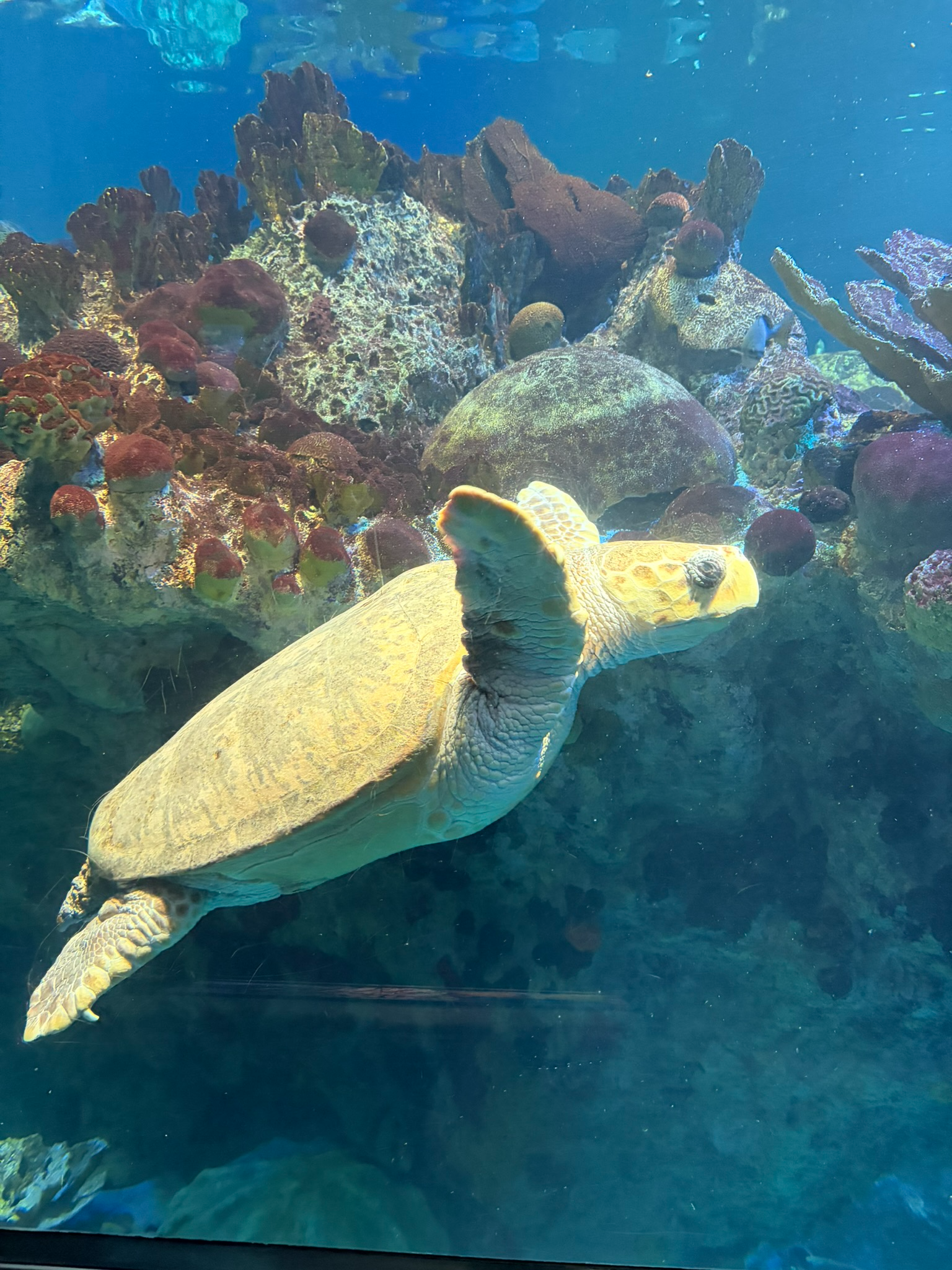
Photo taken by author at the New England Aquarium.
There is a well known qigong phrase describing the principles of Turtle Breathing:
呼吸深细匀长
Hūxī shēn xì yún cháng
The breath is deep, subtle, even, and long.
Turtles breathe deeply, subtly, evenly, and with long, relaxed breaths. In qigong, these qualities are seen as supporting the conservation of energy and promoting vitality. By embodying the qualities of the turtle through Turtle Breathing, we can cultivate a calmer, more efficient way of breathing that supports overall well-being.
The Four Principles of Turtle Breathing
深 (Shēn) – Deep. Breathe deeply through your diaphragm rather than shallowly through your chest.
细 (Xì) – Subtle or Fine. Breathe quietly, gently, and with as little effort or noise as possible.
匀 (Yún) – Even. Allow each inhalation and exhalation to flow smoothly and continuously, like a ribbon of silk.
长 (Cháng) – Long. Let your breath naturally become long and relaxed. Like the Great Wall of China stretching into the distance, keep your breath calm, steady, and grounded.
As your breath becomes finer and smoother, it naturally becomes deeper and longer. Embody the spirit of the turtle- natural, relaxed, steady, and continuous. Slow down and allow your breath to flow effortlessly.
Avoid overthinking, rushing, or forcing the breath, as these create unnecessary tension. Turtle Breathing is effortless power. Follow the turtle's natural rhythm instead of trying to control every breath. Don't let a busy or stressed mind create unnecessary tension in your body. Instead, relax and allow your body to settle naturally into deep, calm breathing.
Keep your breath deep, fine, even, and long. By practicing Turtle Breathing and taking time to slow down, rest, and recharge, you can support your body's natural recovery, reduce stress, and cultivate a greater sense of balance and vitality. Regular practice may help you feel calmer, more energized, and better equipped to meet the demands of daily life.
Even in today's fast paced world, there is always time to care for yourself. If you spend time mindlessly scrolling through social media, browsing the internet, or watching television, consider replacing some of that time with practicing qi gong. Even a few minutes each day can contribute to your physical and mental well being.
Set aside time each day to care for yourself. Practice qi gong or tai chi, rest, relax, and simply breathe. As your breathing becomes deep, subtle, even, and long, you cultivate greater resilience, renew your vitality, and build a strong foundation for lifelong health and well being.
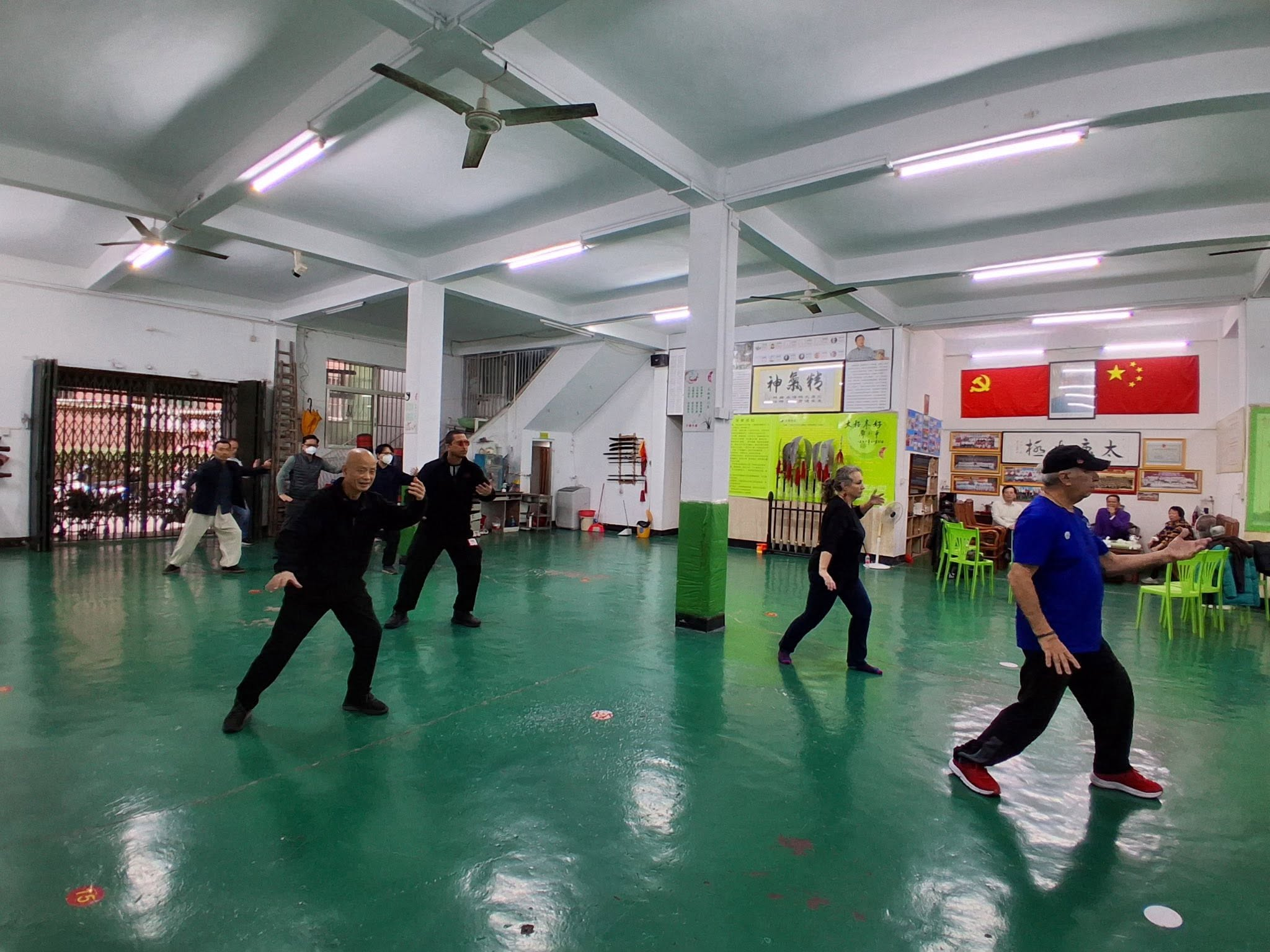
Dr. Wu, and some of his students his disciples practicing qi gong/tai chi in Pu Ning, Guangdong, China.
About the Author
Rebecca is a Fengyang Traditional Chinese Medicine practitioner. She is a disciple of Dr. Ming Wu, a master of Chinese medicine. She provides tui na bodywork treatments at the Wu Healing Center in Maynard MA, and at Healing Body Solutions in Palmer MA.
You can reach Rebecca at rebecca.tuina.healing@gmail.com, or at 508-281-9068 (text preferred).