The Three Pillars of Traditional Chinese Medicine: TCM’s True Adversary Is Not Western Medicine
You may not have realized—beneath the single umbrella term “Traditional Chinese Medicine” (TCM) lie three entirely distinct communities. They share a name, yet differ radically in legal status, modes of transmission, and the challenges they face.
This classification isn’t an official standard within TCM circles, but a structure that has emerged organically from reality—defined by three core dimensions: the source of one’s practicing license, the lineage of one’s knowledge, and where one’s voice carries weight. While overlaps exist, the broader framework is undeniable.
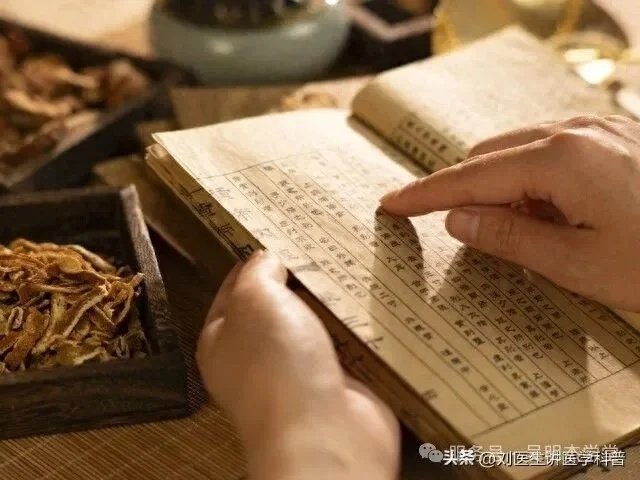
Institutional TCM: Represented by university professors—preserving legitimacy, but risking the loss of lineage.
Standardized textbooks and the “5+3” model (five-year undergraduate plus three-year residency) have transformed the traditional “master-apprentice” model into a classroom assembly line.
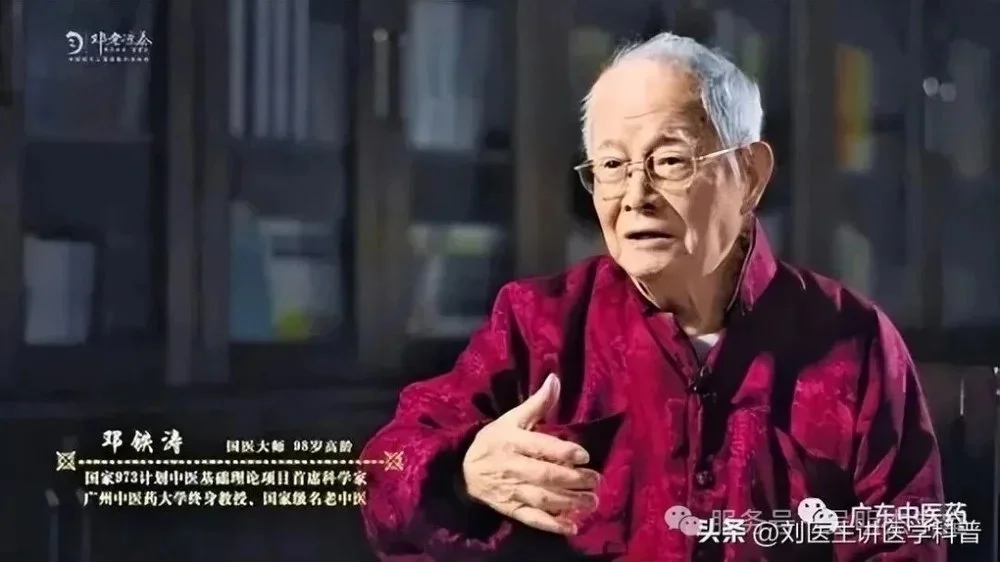
Deng Tietao stood as the spiritual beacon of this pillar. In the 1980s and 90s, when TCM was severely marginalized in China, it was his tireless advocacy that established the “Famous Veteran Physicians Apprenticeship Program”—securing a vital channel for mentorship within academia. Without him, TCM education might have withered at its roots.
Yet the problem persists: Take a “Double First-Class” TCM university as an example. Between 2000 and 2022, the proportion of modern Western medical content in its five-year curriculum surged from 37% to 52%, while courses on TCM classics plummeted from 28% to 12%.
“Steadfast TCM Practitioner” (Tiegan Zhongyi) was the label Deng Tietao embraced in his later years—for himself and his disciples. His core conviction was that TCM must never lose its soul: its classics must be mastered, clinical skills honed, and its thinking must not be subsumed by the Western medical framework. Today, a growing number of steadfast practitioners are proving through action that a standardized academic system for TCM can be built, its clinical efficacy validated, and its teachings passed down through generations. The path is arduous, but the direction is correct.
Folk TCM: The unsung veteran healers—preserving the roots, but being eroded by bureaucracy.
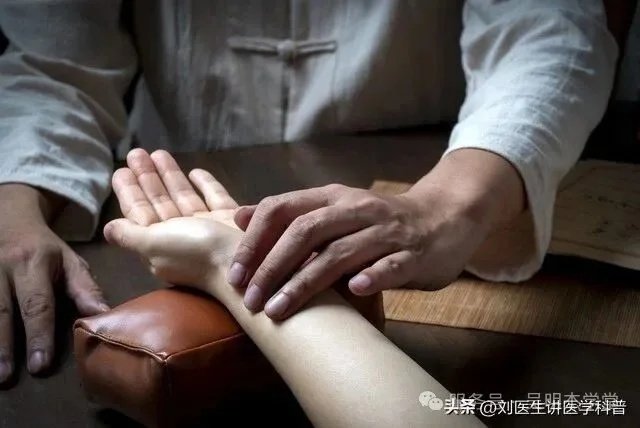
No published papers. No official titles. Only a formula passed down through generations, and hands that have felt pulses for decades.
The plight of folk practitioners isn’t anecdotal. Many cannot pass the National Practicing Physician Qualification Examination—not due to a lack of skill, but because the exam’s underlying logic is designed for graduates of Western medical schools. A healer trained through apprenticeship, who has never engaged with chemical molecular formulas, will likely fail. This structural conflict between examination standards and traditional training remains a contentious debate within TCM circles.
If Sun Simiao—the revered Tang Dynasty physician—were to return today, having never attended university, without SCI-indexed papers, and unable to interpret lab reports, could he obtain a modern practicing license? Most likely, no.
This isn’t an isolated tragedy. It’s a systemic mismatch.
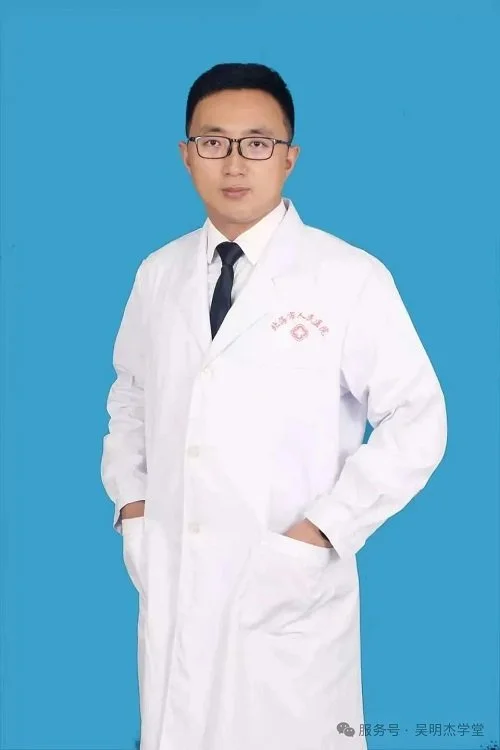
Overseas TCM: Represented by Wu Mingjie—translating TCM into a language the West understands.
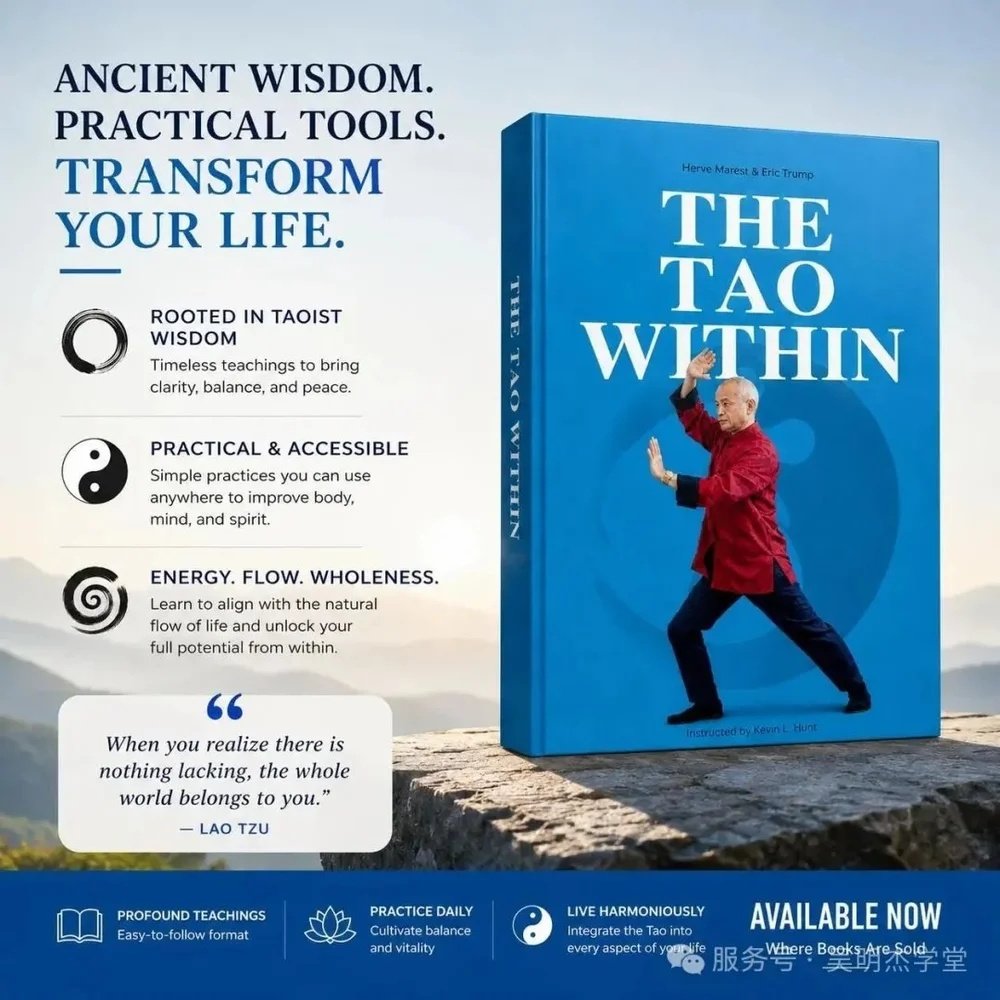
Licensed in Shantou in 1985. Ventured alone to Massachusetts, USA, in 1989. In 2026, published the 635-page, 660,000-word bilingual tome The Tao Within, released officially by the China Review Academic Publishers in Hong Kong.
Wu Mingjie accomplished something many in TCM aspire to but few achieve: he retranslated the concept of qiinto a lexicon accessible to Western medicine. Through clinics in Connecticut and Massachusetts serving patients from 50 countries, and through teaching at the Integrative Medicine Center of Emerson Hospital, he positioned TCM within the framework of Western integrative care.
But the value of Overseas TCM isn’t merely “going out”—it’s also “bringing back.” Through bilingual publications, transnational clinical exchanges, and integrative practices, it translates international validation and acceptance of TCM back into a domestic context. For these practitioners, the path is more arduous but far-sighted: success shouldn’t breed estrangement. Instead, it involves explaining TCM in a globally intelligible language and using those outcomes to nourish the practice back home.
The True Path Forward: Each pillar holds its ground, creating synergy.
Institutional, Folk, and Overseas TCM each have limitations—but each is irreplaceable.
Institutional TCM sets the standards. Standardized education, clinical pathways, and academic research provide TCM with legal legitimacy and institutional survival space. Without it, TCM wouldn’t even qualify to enter hospitals.
Folk TCM safeguards the heritage. The most authentic techniques and grounded clinical experience aren’t found in textbooks, but in the consultation rooms where knowledge passes orally from master to apprentice. This is TCM’s living root and the wellspring of innovation.
Overseas TCM builds the bridge. Confronted by the scrutiny of Western medical systems, it retranslates TCM into a comprehensible language—then uses international validation to reinforce domestic practice.
The mission of these three groups isn’t to compete for the same turf, but to secure their respective domains and forge viable paths: let those who standardize excel at standardization; let those who inherit do so with integrity; let those who cross borders master the language. If they disdain one another, TCM will be fractured from within. But if each perfects its domain while allowing interoperability at key interfaces, the entire field gains a true, resilient system.
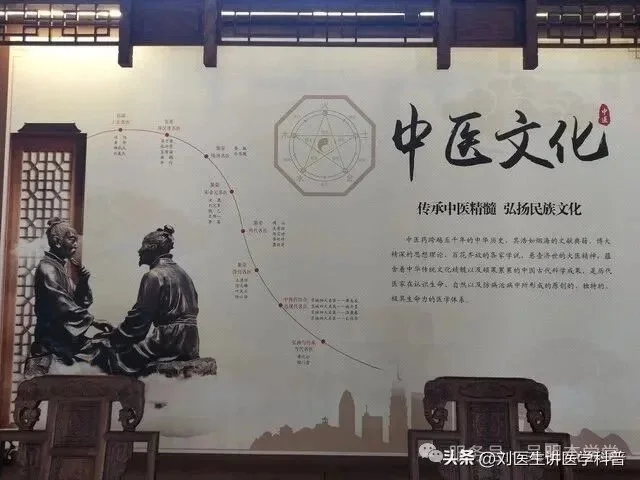
The future of TCM doesn’t lie in “defeating Western medicine,” but in three forces each finding their way and supporting one another.
Which type of TCM practitioner do you trust most? Share your thoughts below.
I’m Liu Jiaqi, Chief Physician in Gastrointestinal Surgery and a practitioner of integrated Chinese-Western medicine. Search my name on WeChat Official Accounts for more in-depth analysis of the medical field.