How Qi Circulation Regulates Emotions & Relieves Anxiety
Western psychology typically treats anxiety at the mental level—CBT, mindfulness, talk therapy…
These methods work, but they miss one critical variable: the body.
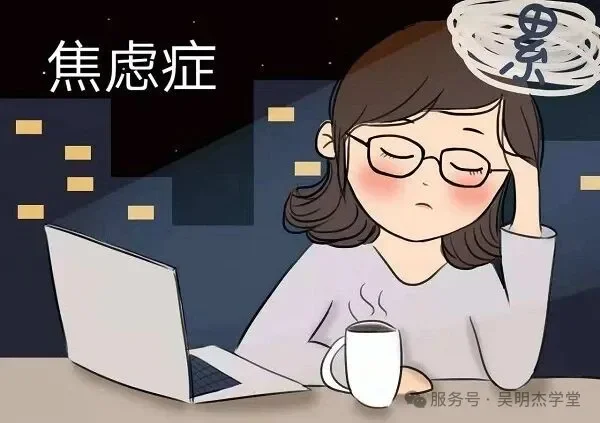
Thousands of years ago, TCM and Daoist medicine discovered a truth that modern science is now validating—
When the body is blocked, emotions will inevitably spiral.
I. How the Body "Manufactures" Your Anxiety
Stiff Spine → Sympathetic Lock-In
Prolonged sitting, head-forward posture, postural collapse → spinal fascia tightens → sympathetic chain compressed → body stuck in "fight-or-flight"
Thoracic Qi Stagnation → Shallow Breathing
The anxious person's breath is typically thoracic, short, and rapid. Shallow breathing → lower blood oxygen → brain perceives "oxygen threat" → anxiety worsens
Tight Cervical Fascia → Impaired Brain Blood Flow
Chronic neck tension → vertebral artery compression → posterior circulation ischemia → dizziness, brain fog, panic sensations
Impaired Abdominal Circulation → "Gut-Brain Axis" Disruption
Chronic stress → GI dysfunction → gut microbiome disruption → 90% of serotonin is produced in the gut → mood drops, anxiety spikes
This is what TCM means by: "Anger damages the Liver; overthinking damages the Spleen; worry damages the Lungs; fear damages the Kidneys." Emotions don't arise from nowhere—they are the "display screen" of the body's state.
II. Qi Circulation: Releasing Emotional Blockages from the Body Up
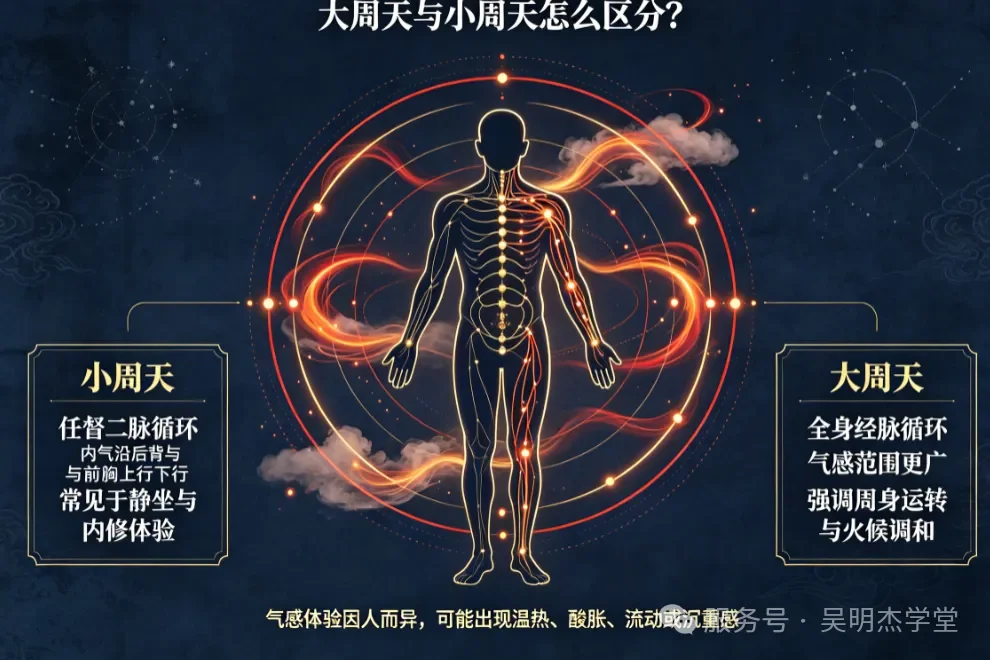
The core of Qi circulation (the Microcosmic Orbit) is moving energy up the Governing Vessel and down the Conception Vessel, forming a closed loop.
This pathway is precisely the "physical switch" for regulating the autonomic nervous system.
Step 1: Release the Spine → Unlock the Sympathetic
| Action | Bodily Change | Emotional Effect |
|---|---|---|
| Mind guides energy up the Governing Vessel | Spinal fascia releases section by section | Muscle relaxation; somatic alarm drops |
| Passing the Jiaji points | Spinal nerve tension releases | "Tightness" recedes |
| Arriving at Baihui (crown) | Cranial pressure regulates; brain blood flow improves | Dizziness & panic sensations ease |
Step 2: Descend the Conception Vessel → Activate Parasympathetic
| Action | Bodily Change | Emotional Effect |
|---|---|---|
| From crown down the Conception Vessel | Vagus nerve tone increases | Heart rate drops; breath deepens |
| Passing Tanzhong (chest center) | Chest opens; respiration expands | "Chest tightness" dissolves |
| Returning to Lower Dantian | Abdominal breathing naturally establishes | Sense of safety returns; anxiety fades |
Step 3: Closed Loop → Emotional Rhythm Stabilizes
Du and Ren connect → Yin-Yang merge → autonomic nervous system shifts from "sympathetic overdrive" to "parasympathetic dominance"
Result: The anxious brain naturally calms; emotional rhythms return to normal; sleep quality measurably improves.
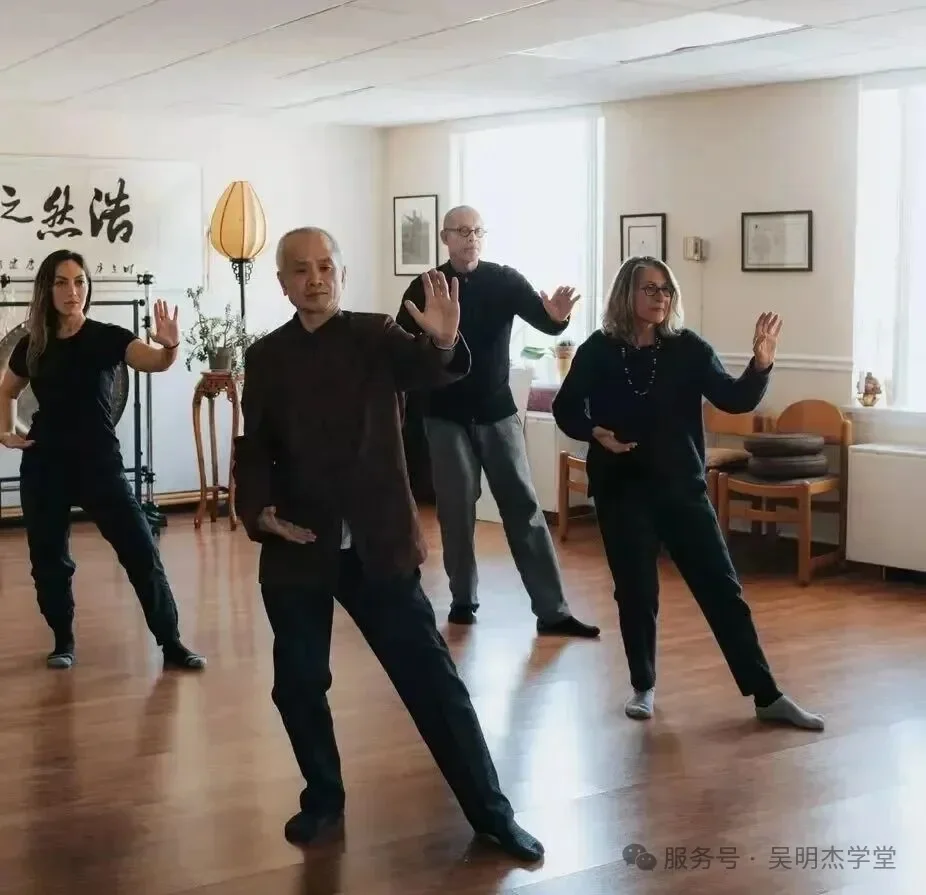
III. Why It Goes Deeper Than "Psychology Alone"
| Dimension | CBT | Mindfulness Meditation | Qi Circulation (Orbit) |
|---|---|---|---|
| Level of Action | Cognitive/thought layer | Awareness/attention layer | Body/nerve/energy/mind—all four |
| Somatic Symptom Coverage | Indirect | Partial | Direct on fascia, nerves, Qi & Blood |
| Onset Speed | Weeks to months | Weeks | Relaxation felt from first session |
| Sustainability | Dependent on therapist | Dependent on self-discipline | Self-contained system; deepens with practice |
| For Severe Anxiety | Requires medication | Some can't "settle down" | Gently activates parasympathetic without forcing "no-thought" |
Not to replace psychotherapy—but to give it a foundation where "the body is already released."
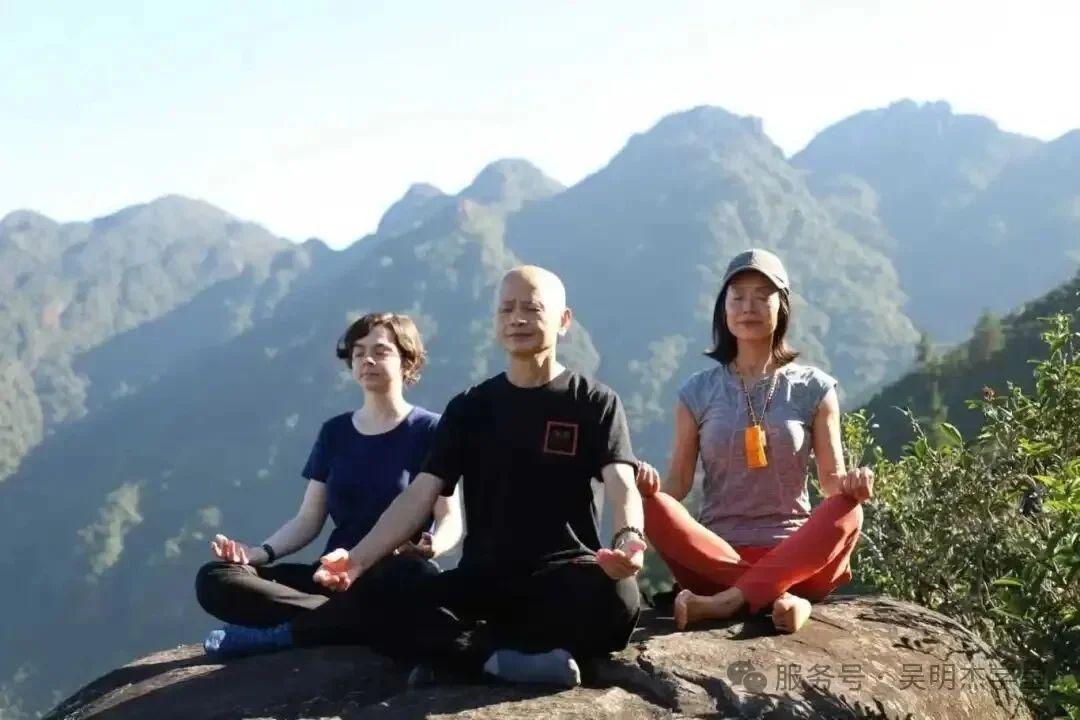
IV. Practice Guidelines
✅ Correct Approach
- 1–2 sessions daily, 15–30 minutes each
- Quiet environment; seated upright or lying down
- Tongue to palate; inhale/exhale through the nose
- Attention follows "Qi" up the Governing Vessel, down the Conception Vessel
- "Comfortable and natural" as the benchmark; never chase特殊 sensations
⚠️ Cautions
- Severe psychiatric conditions (bipolar, schizophrenia): contraindiicated during active episodes
- Epilepsy: use with caution
- First-time practice: under a qualified instructor
- Palpitations or dizziness during practice: stop immediately
V. Critical Warnings
⚠️ This article is for wellness education only—it cannot replace psychiatric/psychological treatment.
- Diagnosed anxiety or depression: follow your physician's treatment plan
- Qi circulation may be used as adjunctive support, not "treatment replacement"
- Suicidal ideation or severe symptoms: seek emergency care immediately
- Never discontinue medication because practice "feels good"
Closing Thoughts
Emotional problems are never "just mental."
Your body "speaks" every moment—fascia speaks, nerves speak, Qi and Blood speak.
What Qi circulation (the Microcosmic Orbit) does is—
Listen to the body's language. Release what is stuck. Let energy flow again.
When the body relaxes, emotions naturally stabilize.
"When the spirit is inwardly guarded, the true Qi follows its natural course." — Yellow Emperor's Inner Canon
Related Reading
- How the Microcosmic Orbit Calms the Nervous System
- What Is the Microcosmic Orbit in Daoist Wellness?
- Daoist Longevity Wisdom for Busy Modern Lives
- Natural TCM Approaches to Chronic Fatigue
⚠️ Disclaimer: This article is for wellness education only. Anxiety and mood disorders involve high individual variability—please follow your physician's plan. Qi circulation practice should be done under qualified guidance.
Produced by Wu Healing Center · Fengyang Daoist Medicine