
Old Tree Shou Puer Tea (2004)
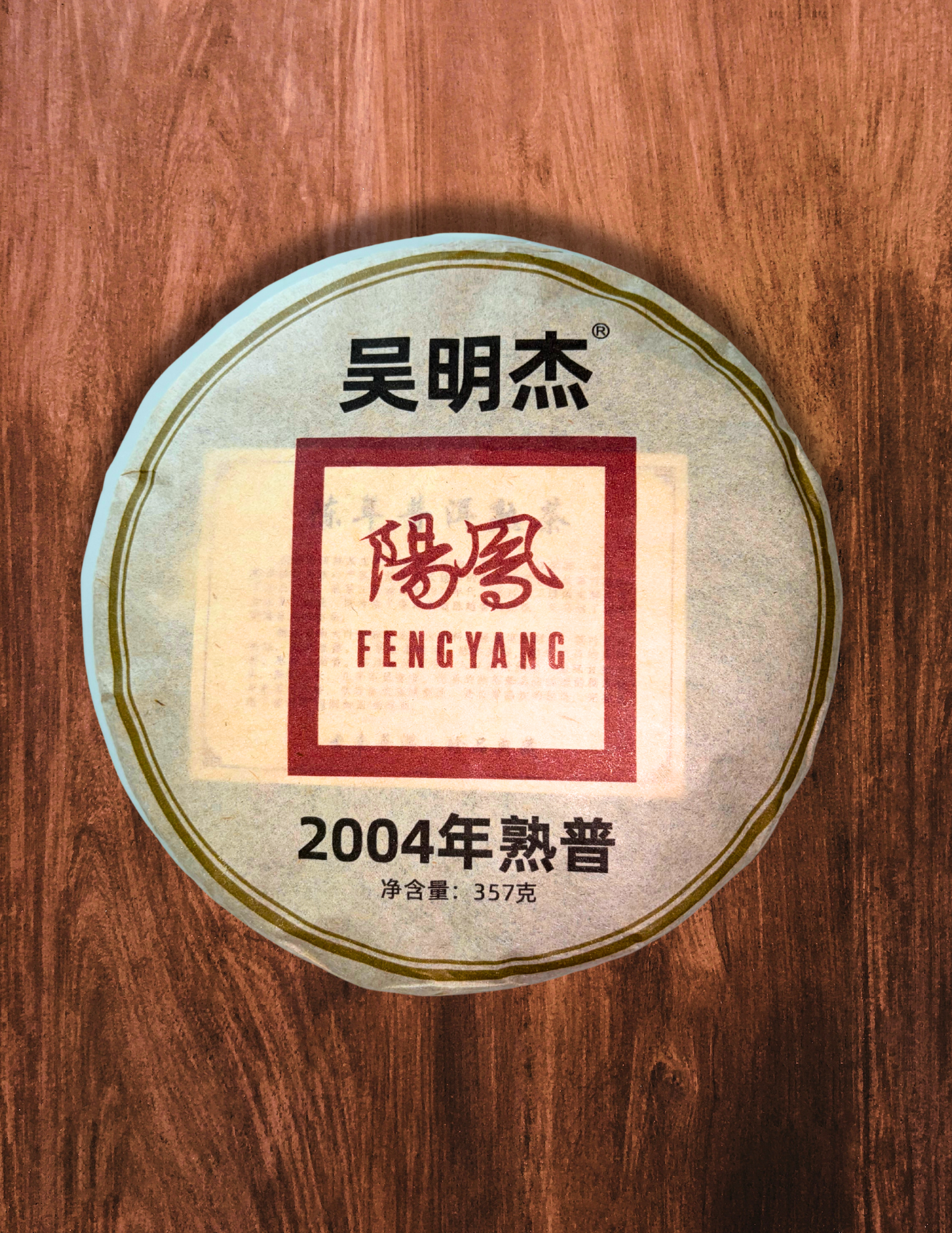
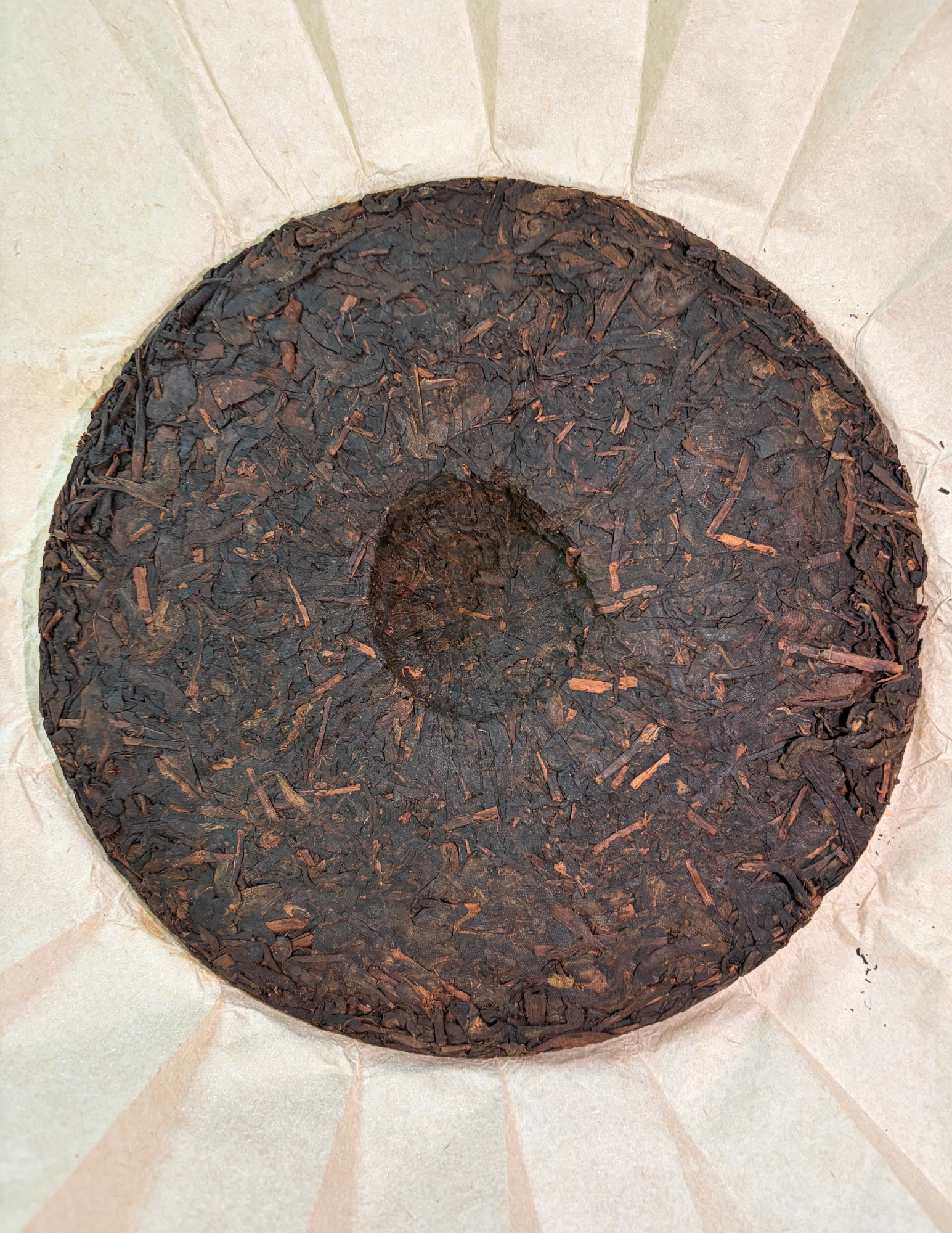
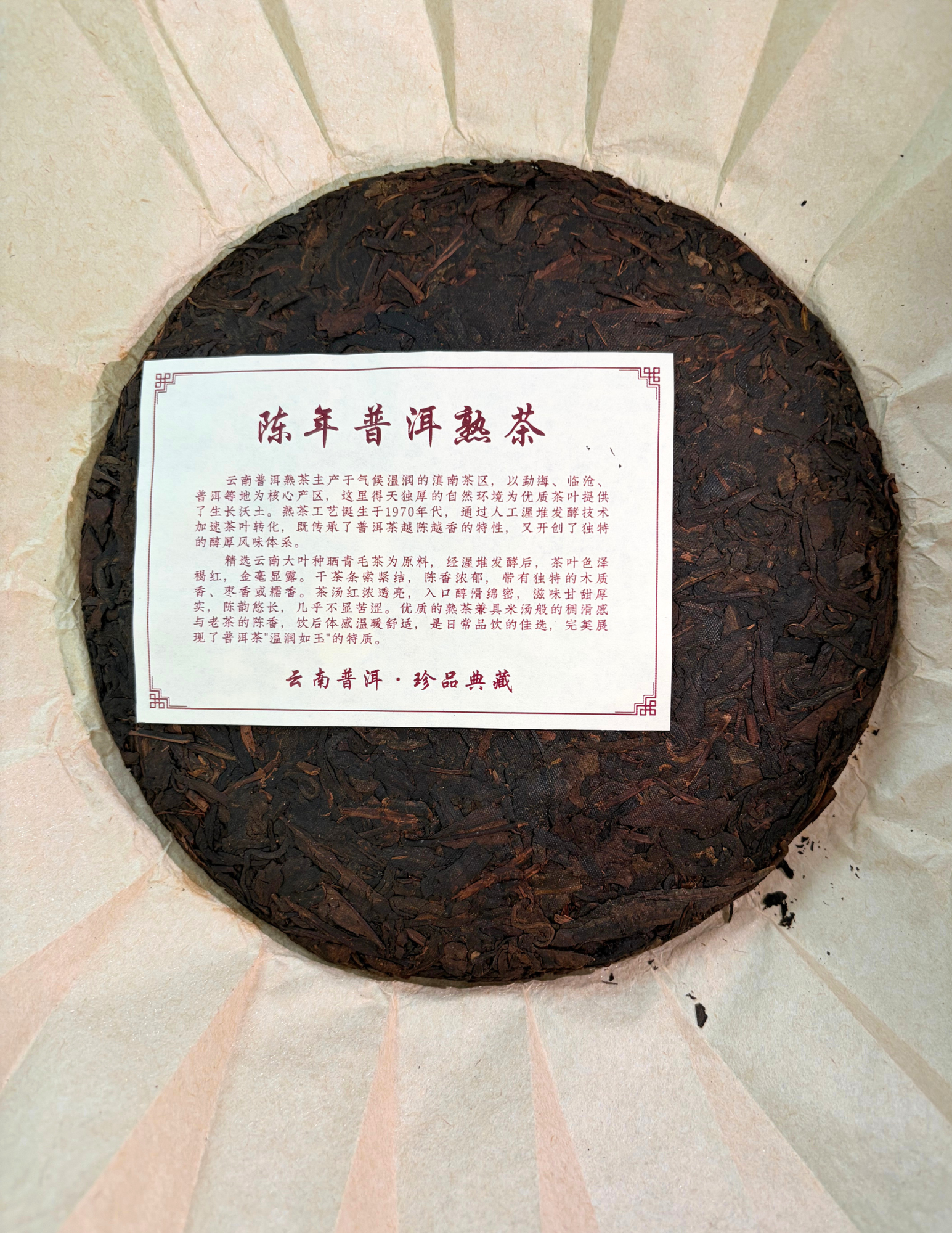
Old Tree Shou Puer Tea (2004)
Ripe Pu Er Tea from 2004!
Ripe Pu Er, fully named Pu Er Shu Cha, is a type of Yunnan Pu Er tea. It undergoes a "pile fermentation" process, where the tea is artificially aged in a high-temperature and high-humidity environment. This accelerates the aging process, allowing the ripe tea to achieve qualities similar to those of raw tea that has been aged for many years, but in a much shorter time.
Aged Ripe Pu Er Tea
Pu er tea is mainly produced in the warm southern Yunnan Providence of China, with Menghai, Lincang, and Pu Er County as some core production areas. Yunnan’s unique natural environment provides fertile ground for high quality tea. The ripe pu er tea process was born in the 1970s. It accelerates the transformation of tea through artificial fermentation technology, giving ripe pu er tea aged tea characteristics, more fragrance, and a unique mellow flavor.
The raw tea leaves are called Yunnan large leaf dried green hair tea. After the ripe pu er fermentation process, the tea becomes brownish-red, revealing its golden hair characteristics. The dry tea strips are tightly knotted, and the aged fragrance is rich, with unique woody fragrance. The tea soup is red and bright, the mouthfeel is mellow and smooth, and the taste is sweet and thick.
High quality ripe pu er tea has both the thick and smooth feeling of rice soup, and the old fragrance of old tea. After drinking, it feels warm and comfortable. It is a good choice for everyday tea drinking, perfectly embodying the “warm and jade-like” characteristics of pu er tea.
Key Details
This ripe pu er tea is from a 100 year old tree. The tea leaves were harvested in 2004. The tea leaves underwent the accelerated aging process, becoming this shu pu er. Then the tea was stored for over twenty years, continuing to age with time.
The Ripe Pu Er Tea Cake is 357 grams.
Production Process of Shu “Ripe” Pu Er
Pile Fermentation: The core process, where sun-dried mao cha (rough tea leaves) are piled up in a specific environment.
Moistening: Controlling moisture and temperature.
Turning the Pile: Ensuring even fermentation.
Air Drying: Natural drying after fermentation is complete.
Pressing: Shaping the tea into cakes, bricks, tuo cha (bowl-shaped tea), and other forms.
Characteristics of Ripe Pu Er
Appearance
Color: Reddish-brown, liver-colored (dark brownish-red).
Tea Soup: Red, thick, and bright, resembling the color of red wine.
Spent Leaves: Liver-colored, soft, and elastic.
Aroma
Aged aroma, date fragrance, camphor scent, ginseng-like fragrance, etc.
High-quality ripe Pu Er is free from any off-putting odors like the "pile flavor" or musty smell.
Taste
Mellow, Thick, and Smooth: Soft on the palate, not over-stimulating.
Sweet and Mellow: Distinct sweet aftertaste (hui gan).
Clean: Pure, precise taste.
Storage and Brewing
Storage: Store in a ventilated, dry, and odor-free environment.
Brewing: It is recommended to use a Yixing clay teapot with water temperature between 95-100°C (203-212°F).
Awakening the Tea: Before drinking, the tea can be broken up and allowed to "awaken" for 1-2 weeks.
With its mild nature and unique flavor profile, Ripe Pu Er is deeply loved by tea enthusiasts and is particularly suitable for people with sensitive stomachs.