International Tea Day: The Art of Tea for Health Preservation
Deng Tietao, a renowned master of traditional Chinese medicine, excelled at maintaining health through tea culture. Dr. Wu Mingjie, his third-generation academic inheritor, has carried forward and enriched the philosophy of tea-based wellness by drawing on his rich clinical experience.
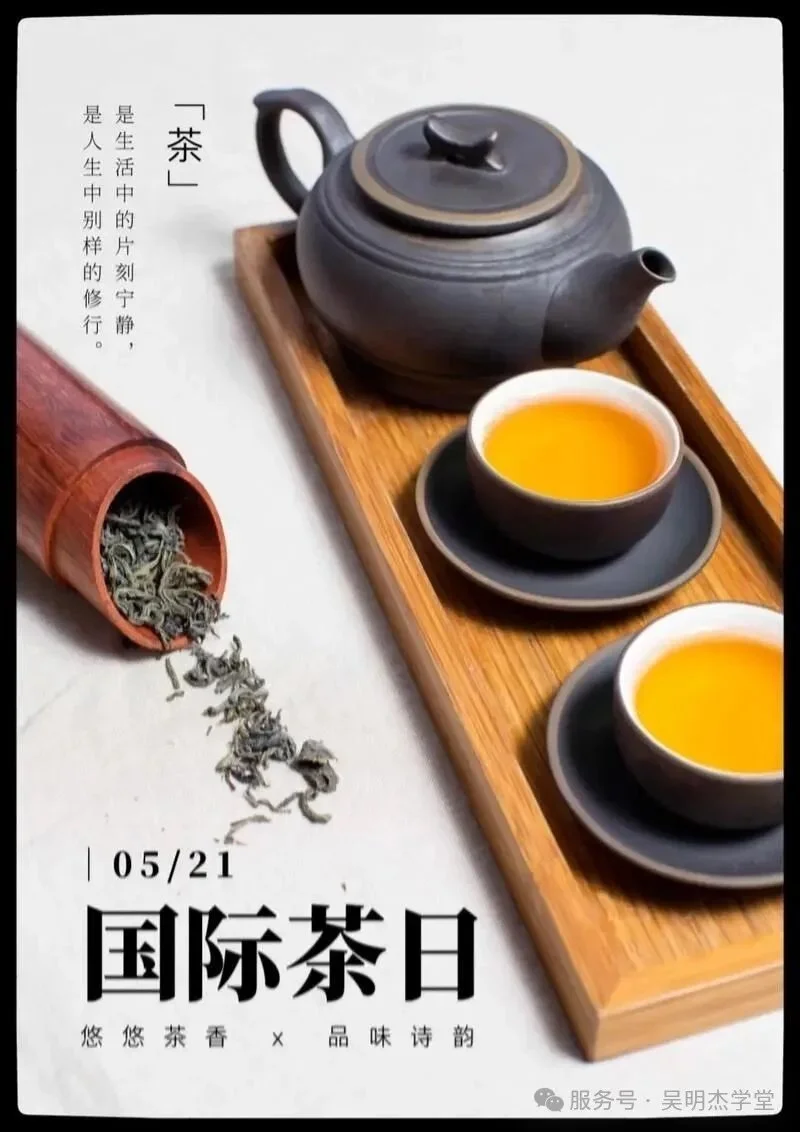
May 21 marks International Tea Day. As one of the world’s three major beverages, tea is enjoyed by over two billion people across the globe. China, the homeland of tea, was the first country to cultivate tea plants and develop the tradition of tea drinking. In November 2019, the United Nations General Assembly designated May 21 as International Tea Day. It is the first global agricultural festival jointly initiated by tea-producing nations led by China.
In Guangdong, the casual greeting "Have time for tea?" reflects locals’ deep fondness for tea and a laid-back lifestyle. The tradition of enjoying morning tea with snacks has evolved into a distinctive regional culture. Born and raised in Guangdong, Master Deng Tietao was also a devotee of morning tea. Building on his teachings, Dr. Wu Mingjie has further refined these wellness concepts, making the age-old wisdom of tea culture better suited to modern people’s physical constitutions.
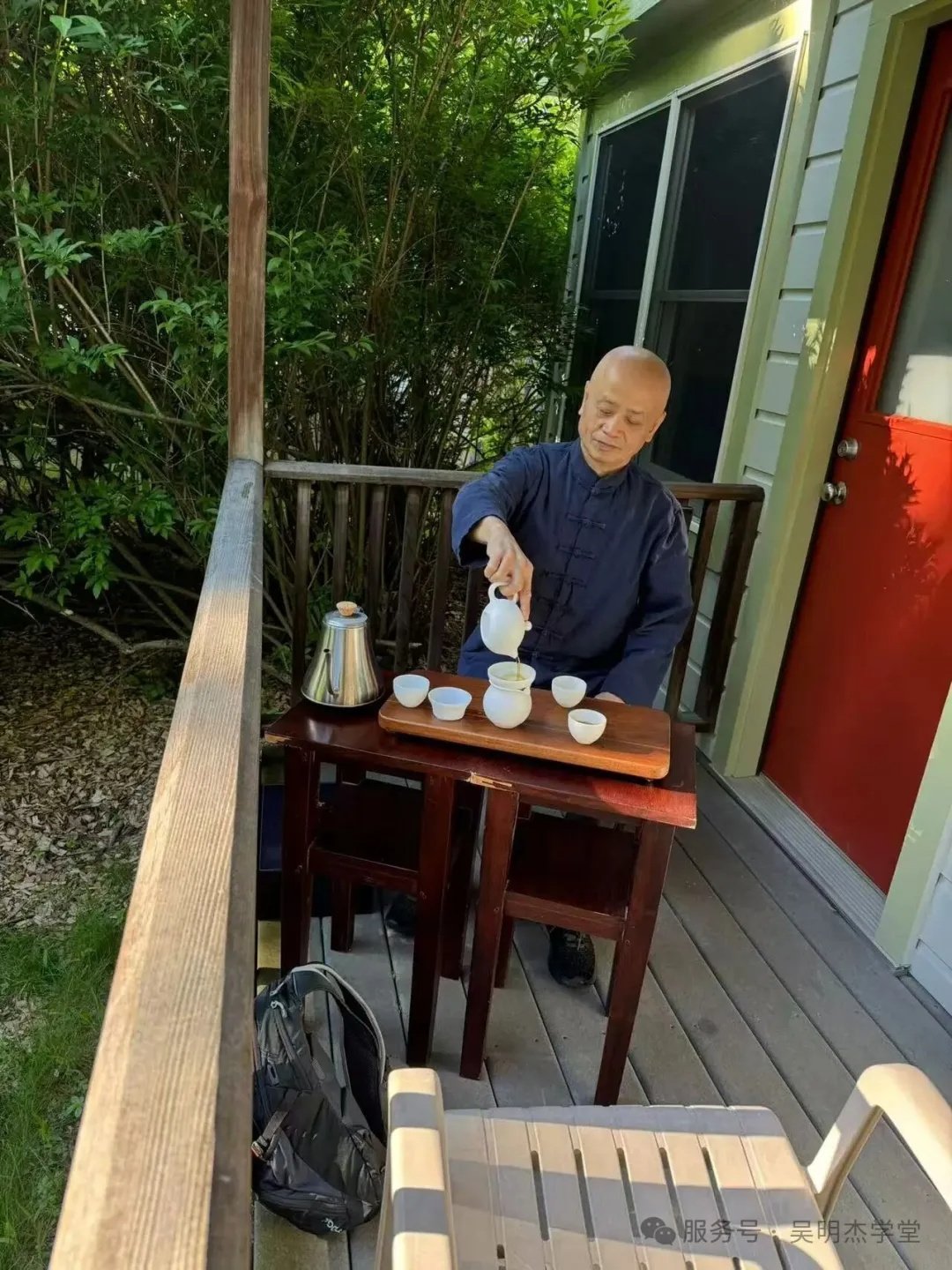
I. Tea as a Tonic: The Longevity Wisdom Hidden in the Chinese Character for "Tea"
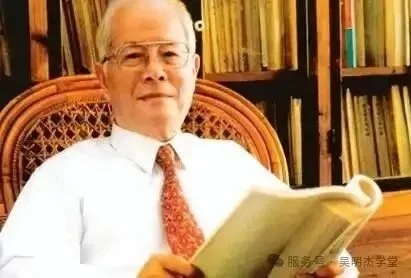
Master Deng loved tea and shared an intriguing interpretation of the character 茶 (chá, tea). Its upper component stands for "twenty", while the lower part combines "eighty" and "eight", adding up to 108. This has given rise to the term "tea longevity", implying that regular tea drinking helps people live a long life. Etymologically, the character is composed of three parts: grass, human and wood, carrying the profound meaning: "Living among nature, how can one not drink tea?"
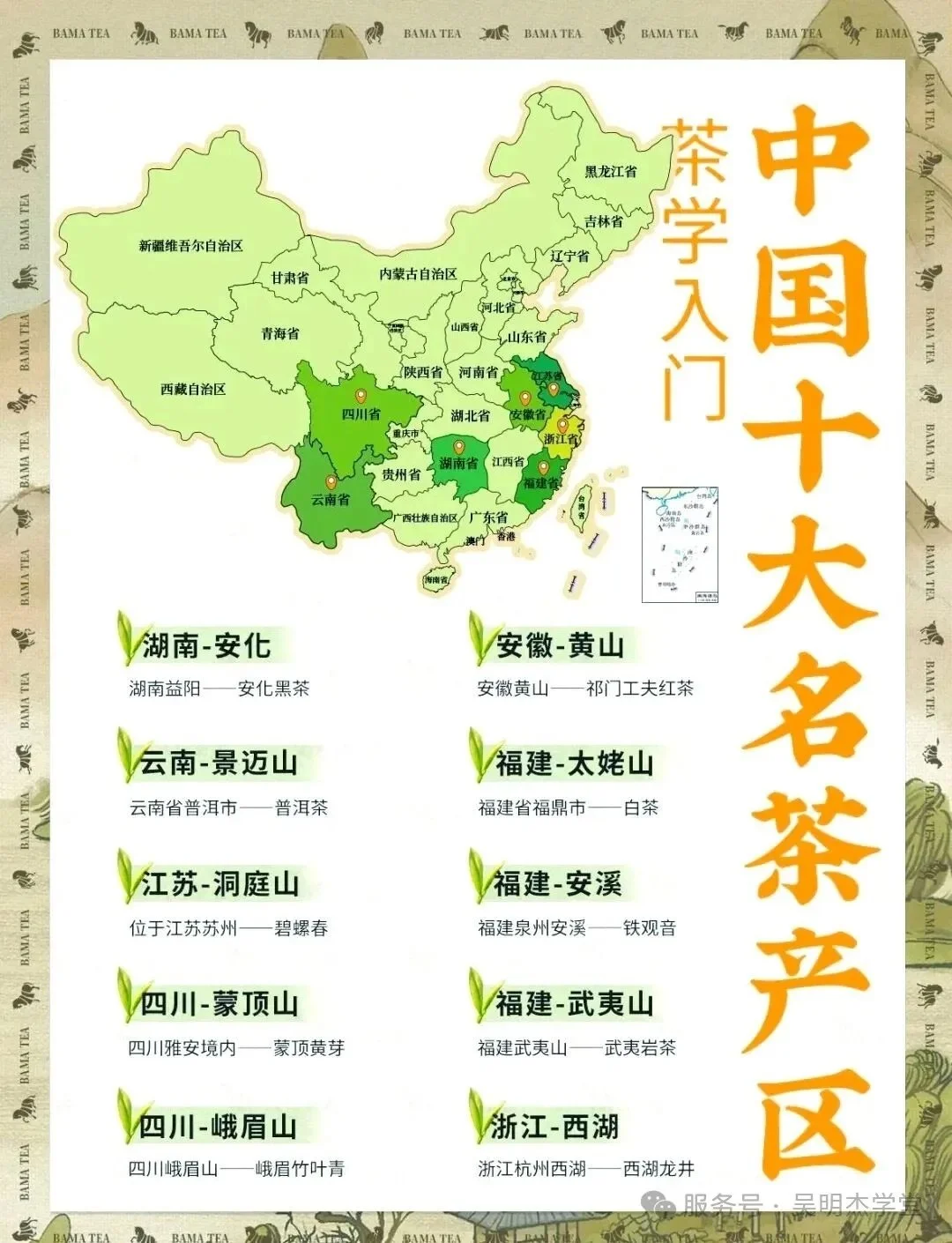
China boasts a vast variety of teas categorized by production techniques, including green tea, black tea, yellow tea, dark tea, oolong tea, scented tea, instant tea and tea bags. Master Deng stressed that tea selection should be tailored to individual physical conditions. His personal favorites included chrysanthemum and wolfberry tea, Longjing tea and Pu’er tea. Dr. Wu Mingjie further noted that all teas possess unique properties, and matching tea to one’s constitution is the key to reaping its health benefits.
Scented and herbal teas also deliver remarkable wellness effects:
• Chrysanthemum tea: Refreshes the mind and protects eyesight
• Rose tea: Promotes blood circulation, regulates qi and relieves stagnation
• Green calyx plum tea: Soothes the liver, relieves stagnation and dissolves lumps
• Cowpea flower tea: Fortifies the spleen and eliminates dampness, ideal for children
• Abrus cantoniensis tea: Clears the liver and drains dampness
• Wolfberry tea: Nourishes yin, tonifies the kidney and improves eyesight
• Hawthorn and lotus leaf tea: Cuts grease, relieves stagnation and calms the mind
• Longan and American ginseng tea: Nourishes blood, replenishes qi and tonifies yin
• Astragalus and ginseng tea: Boosts qi, strengthens the spleen and builds vitality
• Chrysanthemum, wolfberry and cassia seed tea: Nourishes the liver and kidney, calms the liver yang
• Master Deng’s herbal tea: A classic wellness blend
It is essential to choose teas according to personal constitution. Master Deng pointed out that scented teas can be brewed with boiling water, while medicinal herbal teas work better when decocted. Decoction helps fully extract active ingredients for better efficacy.
II. Tea as Medicine: Healing Wisdom from Ancient Prescriptions
Tea contains abundant nutrients and plays a vital role in disease prevention and treatment, as widely recorded in ancient traditional Chinese medical literature.
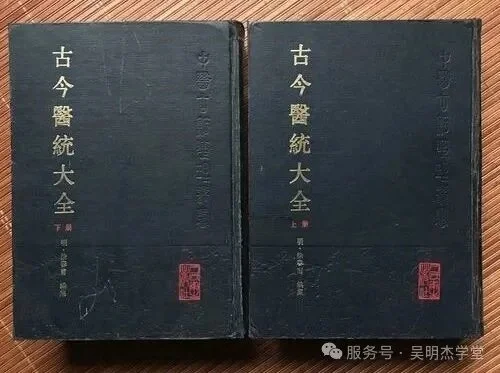
Comprehensive Collection of Ancient Medical Works records a classic case: During the Hongwu reign of the Ming Dynasty, Prince Su suffered from indigestion caused by excessive dairy intake. Physician Shen Yi cured him with strong tea, explaining that tea could clear greasy residues and unclog the intestines.
Another record in Tales of Medicine tells of an effective remedy for dysentery and abdominal pain: ginger with peel chopped finely and decocted together with tea. This simple formula cured stubborn ailments that other medicines failed to treat.
Folk proverbs also praise the health value of ginger and tea: "Eat ginger all year round, and you’ll rarely need a doctor" and "Green tea paired with radish keeps illnesses at bay". Taking these ancient prescriptions as examples, Dr. Wu Mingjie advocates the philosophy of food and medicine homology, proving that proper tea drinking turns a daily beverage into a natural health remedy.
III. Tea Selection by Constitution: A Guide Compiled by Dr. Wu Mingjie
While tea brings numerous benefits, improper consumption may harm health. Combining clinical practice, Dr. Wu Mingjie compiled targeted guidelines for people of different constitutions and special groups:
1. People with deficient cold in the spleen and stomach
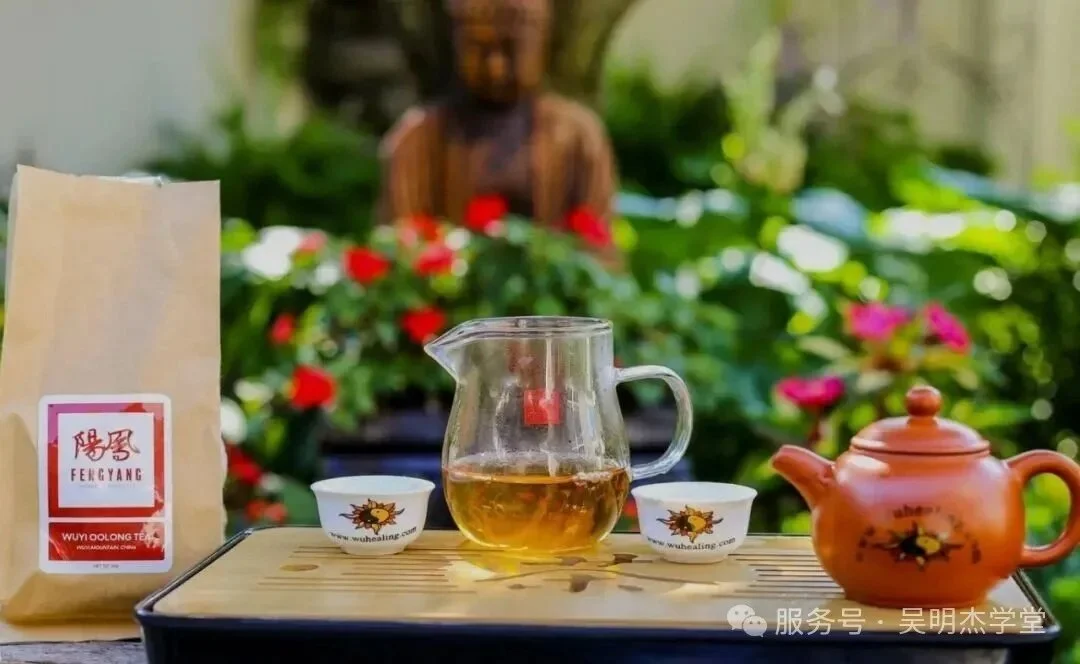
Those with this constitution are not strictly forbidden from drinking tea. Opt for well-aged mild teas, such as dark tea (ripe Pu’er, Liubao tea, Anhua dark tea), golden flower tea and vintage Wuyi rock tea aged over a decade. These teas turn warm in nature after long-term aging and elaborate processing, bringing no irritation to the stomach.
2. Patients with severe insomnia
Strong tea and evening tea are prohibited, as caffeine will worsen sleep disorders. A small serving of mild warm tea in the morning is acceptable. Avoid fresh tea and high-caffeine green tea to reduce stimulation to the nervous system.
3. Patients with urinary tract stones
Strong tea must be avoided. Rich in oxalic acid, tea increases the risk of stone formation. Even weak tea should be consumed with extreme caution and only under professional medical guidance.
4. People with gastric diseases
Tea stimulates gastric juice secretion. Strong tea and tea drunk on an empty stomach will aggravate stomach problems. It is advised to drink mild tea half an hour after meals. Aged dark tea is the preferred choice for its gentle nature.
5. Pregnant women
• Early pregnancy: Do not drink tea casually. For physical conditioning, take specially blended herbal teas for fetus protection under the guidance of an experienced TCM gynecologist. A safe option is a decoction of 6 grams of Taxillus chinensis with six jujubes.
• Mid and late pregnancy: If the fetus develops steadily, drink a moderate amount of warm brown sugar ginger tea or mild black tea such as Lapsang Souchong. Keep away from strong tea, fresh tea and cold-natured teas, and always brew tea lightly.
6. Patients with hypertension and severe arteriosclerosis
Strong tea is off-limits. They may drink a small quantity of weak tea only with a doctor’s permission, to prevent caffeine from triggering blood pressure fluctuations.
As summarized in The Classic of Tea Drinking:
"Tea on an empty stomach causes palpitations; overnight tea damages the spleen and stomach; tea at noon refreshes the spirit; tea at night leads to sleeplessness. Excessive tea weakens the body, and overly hot tea injures internal organs."
Avoid drinking tea on an empty stomach, overnight tea, tea late at night, strong tea and scalding hot tea for safe and healthy tea drinking.
Reference Material: Wisdom for a Long Life: Health Preservation Secrets of TCM Master Deng Tietao (People's Medical Publishing House). Revised and supplemented with clinical experience by Dr. Wu Mingjie.
Author: Huang Qunfei
Adapted by: Wu Mingjie Inheritance Studio
Address: 5th Floor, Shangmao Daying Shijia, Xiashan Street, Chaonan District, Shantou City, Guangdong Province
Contact: Chen Qingzhen | 13317744888
Image Source: Deng Tietao Research Institute, Guangzhou University of Chinese Medicine & Online Resources
Reviewers: Yi Lei, Chen Kai
Business Cooperation: 13533141335 | 020-37602145
Email: RMZY2025@163.com