
Dulse vs Nori (Laver Seaweed): Full Comparison of Therapeutic Health Benefits, Body Type Suitability & Safety Usage Guide
Introduction
Sea vegetables have surged in popularity across North America’s wellness community, with two red algae varieties standing out: Nori (Porphyra spp., common edible laver) from East Asian coastal regions, and Dulse (Palmaria palmata), a historic cold-water seaweed harvested from North Atlantic coastlines used by Celtic and Viking civilizations for over 1,400 years.
Many overseas Chinese expats, plant-based eaters, people with thyroid nodules, chronic fatigue and anemia struggle to choose between these two red seaweeds. Though they look similar and belong to the same red algae family, their medicinal properties, nutritional density and bodily impacts vary enormously. This article breaks down dulse and nori from traditional dietary therapy and modern nutritional science perspectives, helping you pick the right seaweed based on your constitution and health goals.
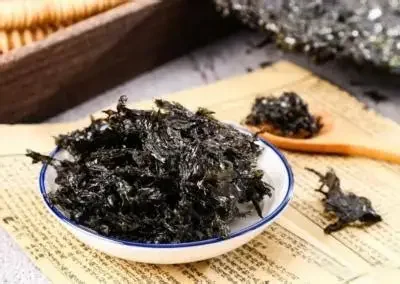
nori
1. Origins & Cultural Consumption History
Nori
Cultivated in temperate coastal waters of China, Japan and South Korea, nori is a household staple in East Asian cuisine, widely used for sushi wraps and seaweed soup. Classified as cold in traditional Chinese food therapy, it is primarily consumed to clear internal heat and phlegm.
Dulse
Harvested from frigid North Atlantic rocky shores (Ireland, Scotland, Eastern Canada, Iceland), dulse served as emergency nutrition for ancient coastal European tribes. Regarded as a premium vegan superfood in Western wellness circles, it features mild cooling properties, ultra-high protein, highly bioavailable iron and natural vitamin B12, focused on blood nourishment and gentle mass dissipation.
2. Traditional Therapeutic Properties & Core Functions
Nori: Salty, Cold Nature; Meridians: Lung, Spleen, Bladder
Key healing functions: Clear internal heat, resolve hot phlegm, soften hard nodules, promote diuresis and reduce edema
Relieve sore throat, bitter mouth, acne and constipation caused by internal heat buildup;
Dissolve damp-heat thyroid and lymph nodules via cold cleansing effects;
Alleviate facial bloating and water retention for damp overweight individuals.
Drawback: Its strong cold nature gradually weakens spleen and stomach yang energy with long-term intake, triggering stomach cramps, diarrhea and cold extremities; unsuitable for chronically weak and anemic constitutions.
Dulse: Salty, Mildly Cold Nature; Meridians: Liver, Spleen, Kidney
Key healing functions: Nourish blood & replenish vitality, gently dissolve stagnant nodules, moisten dryness & remove blood stasis, invigorate spleen and drain dampness
Premier vegan blood booster: rich absorbable iron and natural active B12 improve low red blood cell count, persistent fatigue and sallow complexion from long-term deficiency;
Dissolve qi-phlegm stasis nodules (breast, thyroid) by nourishing circulation instead of harsh cold purging, protecting digestive function;
High potassium-low sodium composition flushes excess bodily fluid and regulates middle energizer digestion, ideal for mixed qi deficiency and damp stagnation from chronic illnesses.
Advantage: Minimal cold stimulation, safe for intermittent daily consumption even for people with sensitive, cold-prone digestion.

dulse
3. Modern Nutritional Science Comparison
Protein: Dulse contains up to 35% protein by dry weight, far higher than nori, perfect for replenishing physical depletion in chronic illness sufferers; nori is high in dietary fiber with low protein content;
Anemia Nutrients: Dulse supplies premium plant iron paired with vegan-essential vitamin B12 to ease iron deficiency fatigue; nori has negligible iron and no usable B12, offering almost no anemia relief;
Iodine Content (Thyroid Critical): Nori has moderately high iodine, risking iodine overload with prolonged use, dangerous for Hashimoto’s and hyperthyroidism patients; dulse features balanced, mild iodine levels safe for moderate regular intake with stable thyroid function;
Anti-Inflammatory Compounds: Dulse’s phycoerythrin and seaweed polyphenols reduce systemic inflammation and blood viscosity; nori mainly aids gut detox via crude fiber;
Minerals: Dulse boasts 30x more potassium than bananas to ease edema and muscle cramps; nori excels in calcium and rough fiber intake.
4. Body Type & Health Condition Selection Guide
Heat-prone, excessive yellow phlegm, acne & constipation, pure damp-heat constitution: Choose nori for occasional soup-based heat clearing, avoid daily consumption;
Chronic anemia, persistent tiredness, pale skin, cold stomach & loose stools: Pick dulse for long-term light supplementation;
Stable thyroid nodules caused by qi-blood stasis: Prioritize dulse for gentle nodule reduction; use nori only for short-term acute damp-heat flare-ups;
Myeloproliferative disorders (JAK2 mutation, elevated platelets, thick blood): Dulse is recommended to nourish blood and clear circulatory stagnation without damaging healthy qi; nori for occasional use only;
Strict vegan diets needing B12 supplementation: Dulse is the top option;
Hyperthyroidism or active Hashimoto’s phase: Limit both seaweeds strictly;
Gout flare-ups: Dulse has lower purine levels, preferable over nori.
5. Recommended Serving Size & Consumption Methods
Nori
Max 5g dried per serving, 2–3 times weekly, cooked in soup only; do not grind into powder for daily long-term intake.
Dulse
3–5g dried flakes/powder daily, sprinkled on salads, porridge or soups, 4–5 times weekly intermittent intake for sustained conditioning.
6. Conclusion
Nori is a daily heat-clearing seaweed, designed for short-term relief of heat and phlegm congestion with narrow constitution compatibility. Dulse is a nutrient-dense restorative functional seaweed, a centuries-old European wellness staple combining blood nourishment and mild nodule resolution, suited for sub-health, chronic fatigue, nodules and blood-deficient crowds. Always follow your physical constitution and control dosage to unlock full seaweed wellness benefits.
FAQ Section
Q1: Which seaweed is better for Hashimoto’s thyroiditis, dulse or nori?
A: Dulse in small portions with stable thyroid function; avoid long-term high-iodine nori.
Q2: Should anemic people eat nori or dulse?
A: Dulse is ideal, packed with iron and B12 to target fatigue and low hemoglobin.
Q3: Can I eat dulse every single day?
A: Stick to 3–5g intermittent daily intake; excessive heavy dosing is not advised.