
Fengyang Tui Na — Where Physics Meets Chinese Medicine | The Lever Principle in Fracture Reduction and Pressure-Pad Splint Fixation
The core of TCM orthopedics and bone-setting lies in the skillful use of lever mechanics—using finesse in place of force, and never using brute strength.
I. The Lever Principle in Fracture Reduction Manipulation
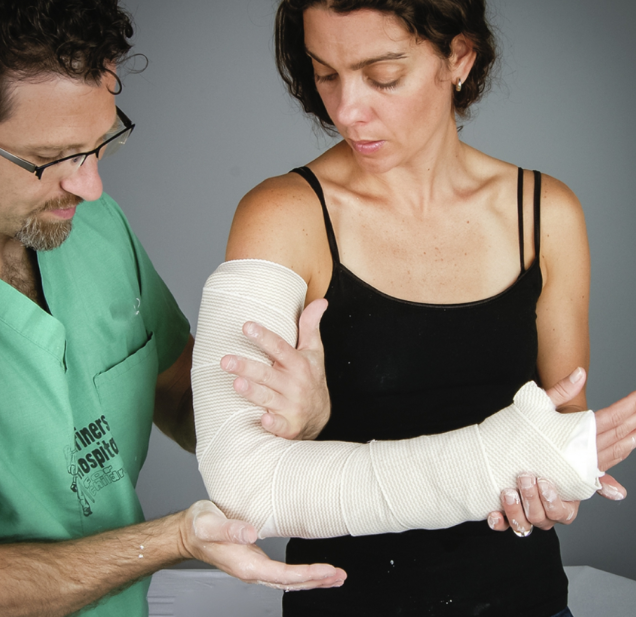
The manipulations of folding-over (exaggerating the angulation then counter-pulling), rotation, and end-lifting in fracture technique are all classic lever operations:
Fulcrum: The apex of the fracture angulation serves as the fulcrum
Effort point: The position where the practitioner's hand applies force
Resistance point: The displaced bone fragment at the distal end of the fracture
Operating logic: First moderately increase the angulation (folding-over), so that the broken ends unlock from each other and release any impaction; then push in the reverse direction, using the fracture angle as the fulcrum and employing the lever to pry the distal fragment into alignment and apposition—easily correcting overlap and angulation displacement, while avoiding the brute-force pulling that can damage blood vessels and nerves. Folding-over lever reduction is most commonly used for distal radius fractures and supracondylar humerus fractures.
II. The "Three-Point Compression Lever System" of Pressure Pad + Small Splint Fixation (the Most Classic)
After reduction, the splint, the pressure pad, and the binding bandage together constitute an external lever:
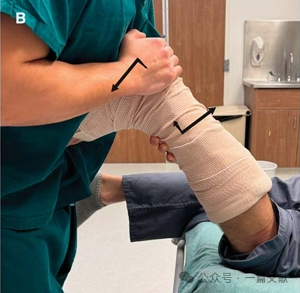
The main pressure pad is placed on the concave side of the fracture angulation, and the two ends of the splint form two other force-bearing fulcrums, together composing a three-point compression lever
The bandage binding generates an elastic constraining force in the splint; the force is concentrated and transmitted to the pressure pad, continuously counteracting the tendency of the fracture to re-angulate or to displace laterally
✨ Distinctive feature: When the limb's muscles contract and move, a dynamic force is automatically generated, which continuously makes fine adjustments and corrects residual displacement through the splint lever—achieving the combination of dynamic and static. It allows a moderate amount of micromovement to stimulate callus growth, rather than completely rigid immobilization
In one simple sentence: The splint is the lever shaft, the pressure pad is the effort point, and the limb's bone is the fulcrum; the three-point compression maintains alignment.
Fir-bark / bamboo splints combined with a fixed-point pressure pad construct a three-point compression lever mechanics system, continuously counteracting the tendency toward displacement caused by muscular traction—stabilizing the fracture while preserving a moderate degree of limb movement, and accelerating fracture healing.