Clinical Value of Licorice and Jujube Decoction in Treating Visceral Agitation-Type Schizophrenia and the Contemporary Reinterpretation of Classical Chinese Medicine Principles
Clinical Value of Licorice and Jujube Decoction in Treating Visceral Agitation-Type Schizophrenia and the Contemporary Reinterpretation of Classical Chinese Medicine Principles: Simplicity, Affordability, and Practicality
— Centered on the Academic Thought of National TCM Master Professor Deng Tietao, as Interpreted by Dr. Wu Mingjie
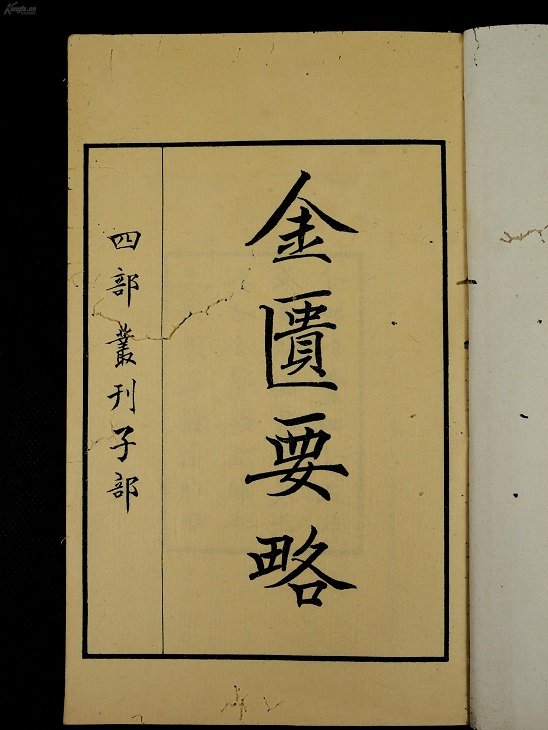
The classic text Jingui Yaolue (Essential Prescriptions of the Golden Cabinet) records:
“Licorice and Jujube Decoction (Gancao Dazao Tang) treats Zang Zao (visceral agitation), marked by emotional instability, sorrow with frequent crying, as if possessed by spirits, accompanied by frequent yawning.”
Comprising only two herbs—honey-fried licorice (Zhi Gancao) and jujube (Dazao)—this formula is strikingly simple yet highly effective. Its therapeutic essence lies in harmonizing the Ying and Wei (nutritive and defensive Qi), tonifying the middle burner, relieving urgency, and calming the spirit. These actions align closely with the clinical manifestations of modern affective psychotic disorders or visceral agitation-type schizophrenia, such as emotional lability, hallucinations, and incoherent speech.

Professor Deng Tietao, a National Master of Traditional Chinese Medicine and a pioneer in Chinese psychomedicine, placed particular emphasis on the identification and treatment of “Zang Zao” syndromes. He pointed out:
“Visceral agitation arises from dual deficiency of the Heart and Spleen, compounded by Liver Qi stagnation. The spirit becomes unanchored and the mind disordered.”
Clinically, patients may exhibit uncontrollable weeping, alternating anger and laughter, disorganized speech, and chaotic behavior. These correspond to modern psychiatric diagnoses such as schizophrenia, bipolar disorder, or affective disorders.

Professor Deng advocated using Licorice and Jujube Decoction as a foundational formula, modifying it based on individual pathogenesis. His clinical results were remarkable. He emphasized:
“TCM treatment for mental illness must begin with the Heart and Spleen—regulating Qi and supporting vital energy. Classical formulas, though simple, can achieve extraordinary results when applied precisely.”
Licorice tonifies Qi, harmonizes formulas, and alleviates spasms and pain; jujube nourishes the Spleen, calms the Stomach, and soothes the spirit. Together, they harmonize the organs and balance Qi and Blood, addressing both psychological and physiological dimensions of disease.
In clinical practice, this formula is often used in conjunction with another Jingui classic: Licorice, Wheat, and Jujube Decoction (Ganmai Dazao Tang), consisting of:
• Zhi Gancao (Honey-fried Licorice) – 9g
• Xiao Mai (Triticum aestivum, Wheat) – 30g
• Dazao (Jujube, split open) – 10 pieces
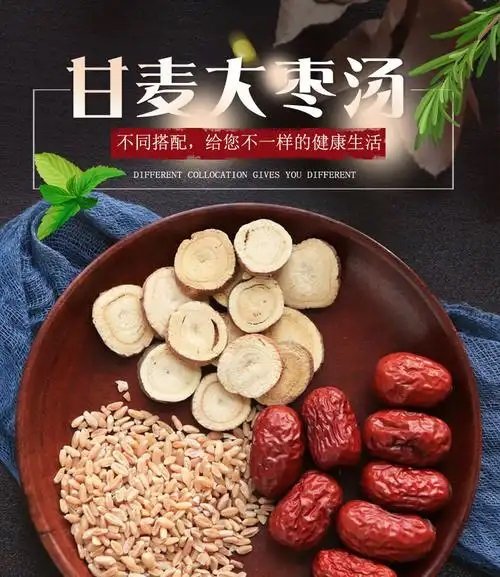
This formula is sweet and warm, nourishing the Heart and Spleen, calming the mind, and relieving agitation. It is especially suited for women’s visceral agitation syndromes with symptoms such as trance-like states, emotional instability, and sorrowful crying. The decoction is taken once daily, boiled twice, and consumed in two doses (morning and evening), with a typical treatment cycle of 7–10 days, modified according to the patient’s condition.
Professor Deng often enhanced this formula with Polygala (Yuanzhi), Poria with hostwood (Fushen), Ziziphus seed (Suanzaoren), Lily bulb (Baihe), Curcuma (Yujin), and Bupleurum (Chaihu) to strengthen the effects of soothing the Liver, relieving depression, nourishing the Heart, and calming the mind. Adjustments based on individual patterns of cold/heat and deficiency/excess reflect the TCM principle of “pattern differentiation and individualized treatment.”
Importantly, Professor Deng Tietao consistently championed the traditional TCM values of simplicity, affordability, accessibility, and effectiveness. He stated:
“The strengths of TCM lie in adapting to time, place, and person—small formulas with great impact, few herbs with powerful effects. Formulas like Gancao Dazao Tang or Ganmai Dazao Tang, when skillfully applied, can treat serious disorders. They embody the essence of Chinese medicine.”
In today’s context of overburdened healthcare systems and increasing rates of psychological disorders, such simple yet effective classical prescriptions carry renewed relevance.

Dr. Wu Mingjie, as the third-generation disciple of Professor Deng, has faithfully inherited this academic lineage characterized by the unity of medicine and philosophy, and the principle of “elegance in simplicity.” In his TCM psychiatric practice, Dr. Wu has explored the modernization of classical formulas, integrating them with contemporary psychological and psychiatric theories. He promotes a “TCM pattern differentiation + individualized holistic care” model. Practicing in the United States, he has widely used Ganmai Dazao Tang to treat severe schizophrenia, successfully helping thousands of patients recover mental clarity, reintegrate into society, and rebuild family life—with remarkable clinical outcomes.
As Professor Deng eloquently stated:
“TCM is not only a medical science, but also a philosophy of life.”
This idea finds vivid expression in Dr. Wu’s clinical work. He advocates for TCM to enter modern life as a subtle yet precise tool to nourish the spirit and harmonize Qi, transforming the ancient wisdom of simplicity, accessibility, and practicality into a vital resource for integrative medicine in the modern era.
In conclusion, Professor Deng Tietao’s application of classical formulas like Licorice and Jujube Decoction in psychiatric practice reflects TCM’s profound understanding of the Heart-Spirit system and its adaptability to contemporary clinical needs. Dr. Wu Mingjie, as a dedicated inheritor and innovator, infuses this tradition with modern clinical insight, offering an invaluable Eastern perspective for the global mental health field.
Author Introduction:
Liu Jiaqi
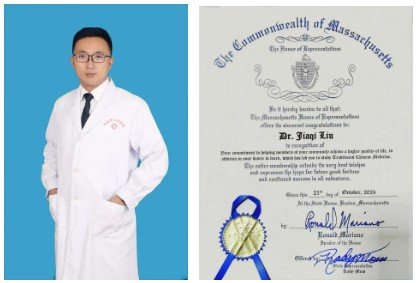
Liu Jiaqi, male, born in Qiqihar, Heilongjiang, China in 1981, graduated with a bachelor's degree in Integrated Traditional Chinese and Western Medicine from the Clinical Medicine School of Heilongjiang University of Chinese Medicine, and a master's degree in Surgery from Harbin Medical University.
Chief Physician and Associate Professor of Gastrointestinal Surgery at Beihai People's Hospital, Teacher at Guangxi Medical University, Expert in the Medical Technology Appraisal Expert Database of Beihai Medical Association, Science Popularization Expert in Integrated Traditional Chinese and Western Medicine, and Academic Leader in the Colorectal Specialty of Integrated Traditional Chinese and Western Medicine. Professor Xiao Zhenqiu, a renowned traditional Chinese medicine practitioner and expert in the field of gastroenterology and proctology, has long been engaged in the integrated treatment of traditional Chinese and Western medicine. He is the inheritor of the academic ideas of Professor Xiao Zhenqiu, a renowned traditional Chinese medicine practitioner and expert in the field of proctology in Guangxi. He studied under Professor Wang Xishan from the Chinese Academy of Medical Sciences and Professor Sun Pingliang, Vice Dean of the Graduate School of Guangxi University of Chinese Medicine, who is also an expert in proctology in Guangxi. He also studied under Professor Ren Donglin, a master of traditional Chinese medicine at the Sixth Hospital of Sun Yat sen University, Professor Lin Hongcheng, Director of the Gastroenterology and Anorectal Department, and Professor Dia.
On the morning of November 13, 2024, I officially became a disciple of Master Wu Mingjie and will continue to study under my mentor. I am committed to inheriting and promoting Fengyang traditional Chinese medicine culture, and bringing health and happiness to more patients.