An Autumn Night Reunion with an Old Friend in Chaozhou: A Forty-Year Reconnection Between a Traditional Chinese Medicine Doctor and an Artist
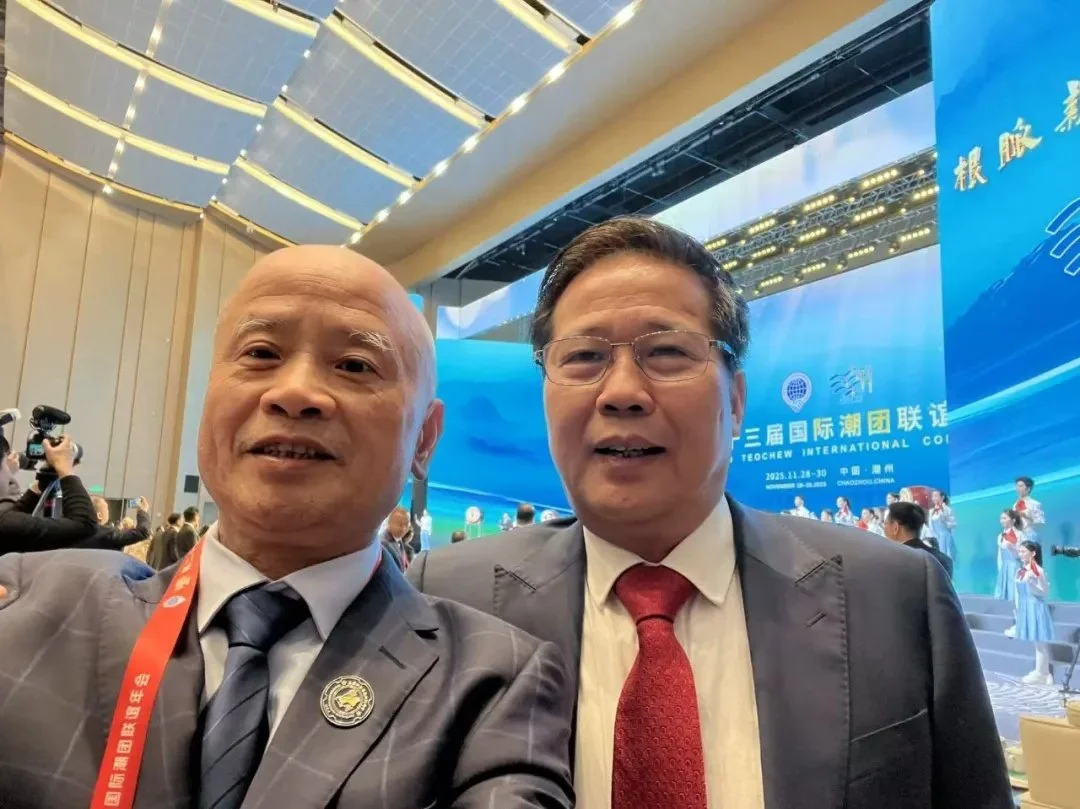
On a late autumn night in 2025, the lights along the banks of the Han River in Chaozhou shimmered beneath the gilded plaque of the International Teochew Federation Assembly. Standing beneath the carved pillars of the Chaozhou Guesthouse, I gazed at the name “Feng Shao-xie” on the registration book, feeling as if I had been transported back forty years to a cicada-filled afternoon at Nanxi Middle School in Puning. Back then, we would often debate beneath the phoenix trees on the hills behind campus—he vowed to paint every facet of human life, while I dreamed of healing all the world’s ailments. Now, upon our reunion, his brushstrokes have become monuments to our era, while my silver needles still seek the essence of life.
I. Autumn Hues Dyeing the Blue Gown
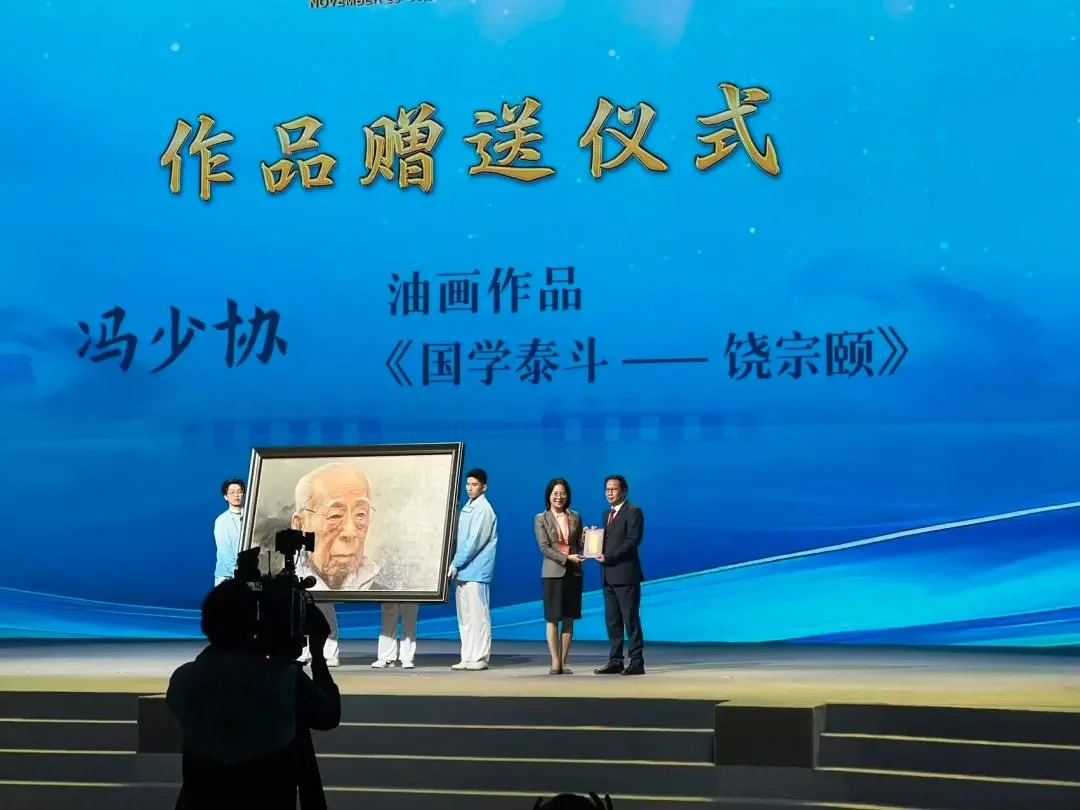
The moment I pushed open the banquet hall door, the familiar strains of Chaozhou string music swept over me, carrying memories in their wake. Feng Shao-xie was in the midst of sketching a small oil painting study titled National Scholar — Jao Tsung-Ifor the Jao Tsung-I Museum. On his palette, cinnabar and mineral blue intertwined like the twilight hues crushed by autumn winds outside our classroom window so many years ago. When he turned around, I barely recognized the boy who once forgot to eat while sketching charcoal drawings—now his temples were touched with frost, yet his brow carried the grandeur of mountains and rivers.
“Do you remember the kapok tree by the Nanxi River?” he asked with a smile, offering me a cup of Chaozhou kung fu tea. The sandalwood bracelet on his wrist swayed gently with the motion. We reminisced about copying the Eighty-Seven Immortals Scrollwith charcoal in our humble studio, and how he trekked across Fenghuang Mountain on foot three months before the college entrance exams to sketch from nature. Those waterlogged sketchbooks and dew-dampened rice paper now live on as mottled light and shadow in his painting A Century of Guangzhou.
II. Within the Depths of Ink and Color, a Vision of Home and Nation
After a few rounds of wine, Feng took out a sketchbook he always carried with him. On its yellowed pages, the wings in Pigeons of the Middle Eaststill seemed to tremble with motion, and the indentations in Communist Party Member — Zhong Nanshanheld the traces of tears from the pandemic years. What moved me most was his recent work Mai Xiande — Always Ready for the Motherland!, where the steel resolve in the soldier’s eyes echoed the fervor with which he once wrote “art serving the nation” on his college application form.
“I just finished The Future Has Arrived – 2025last month. At its exhibition at the United Nations headquarters, a French scholar called it ‘a visual epic of Eastern Renaissance,’” he said, caressing the album with the gentle yet firm voice characteristic of the people of Chaozhou. I suddenly recalled his 2015 masterpiece Maritime Silk Road, a vast composition spanning three continents that left curators at New York’s Museum of Modern Art marveling: “You have painted the adventurous spirit of the Teochew merchants into the long scroll of human civilization.”
III. Medicine and Art Share the Same Heart
When I spoke of my inheritance of traditional Chinese medicine, his gaze grew intense: “You heal the microcosm of the human body; I paint the macrocosm of civilization. In the end, both are quests for ‘endless vitality.’” Pointing to the wrinkled face of the overseas Chinese leader in Patriotic Soul — Chuang Shih-ping, he said, “These creases hold a century of storms from the Teochew merchants’ voyages to Southeast Asia, just as the pulse you study holds millennia of Huangdi Neijing wisdom.”
In the warmth of the gathering, he spread out a sheet of Xuan paper and, with a Chaozhou dipping brush, improvised four bold characters: Great Physician, Profound Sincerity. Beside them, he inscribed the formulaic chant of Xiao Chai Hu Tang—remarkably, he had reconstructed the classical prescription using knowledge of Western anatomical science. We smiled at each other, finally understanding the true meaning of our teacher’s old saying: “Different paths lead to the same destination.”
IV. The Sound of Chaozhou Still Speaks of New Chapters
At parting, Feng presented me with the creative notes for National Scholar — Jao Tsung-I. On the yellowed pages, he recorded how, to capture Master Jao’s “vision spanning three thousand miles,” he spent seven days and nights quietly observing at Chaozhou’s Tanfu Garden, weaving the rhythm of the Han River’s tides into his brushwork. As night wind swept through the corridor, I ran my fingers over the familiar Puning dialect annotations in the album and suddenly remembered that dusk forty years ago—when, beneath the phoenix tree, we pledged that he would record the times with his brush, and I would guard life with my medicine. Now, the myriad lights of Chaozhou seemed the very sparks we had planted in those youthful dreams.
On my way home, I passed the Guangji Bridge, where the autumn moon hung full above the river’s heart. Feng sent me a photo of his new work: our old classroom from youth transformed into a cultural landmark, inside the window the shadow of Huangdi Neijing, outside the silhouette of a roaring lion from China, Rise!. Perhaps this is the deepest romance of the Teochew people—letting tradition and modernity converse within ink and color, letting medicine and art resonate together in the veins of spirit.
Book overview
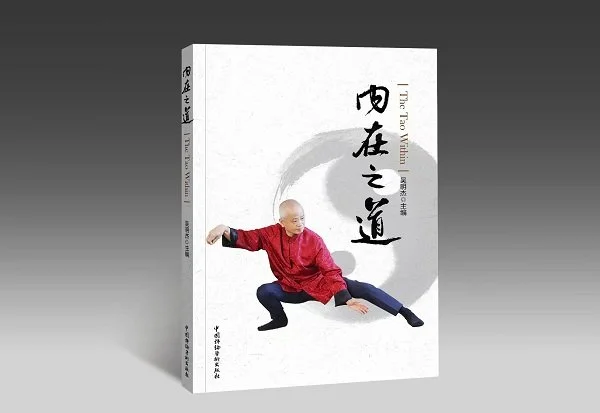
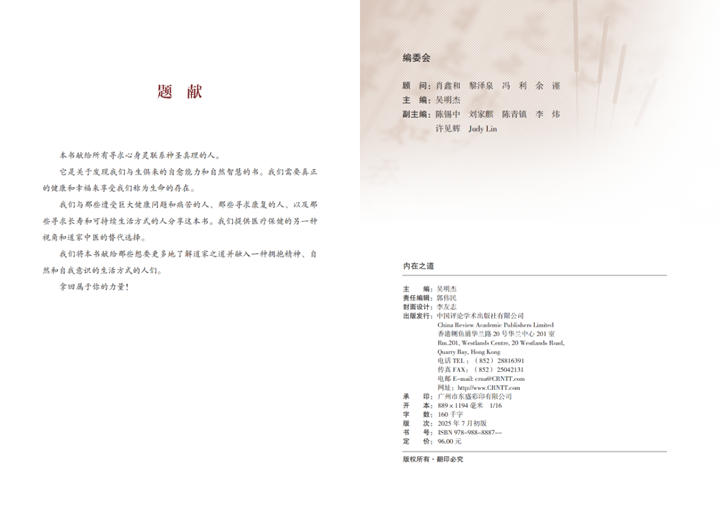
In "The Tao Within," the book embarks on a transformative journey of self-discovery, wisdom, and inner harmony. It shows how spirituality becomes a core element in our everyday lives and in maintaining our health. In the chaos of our modern world, we often find ourselves searching for meaning, purpose, and a deeper connection to our true selves.
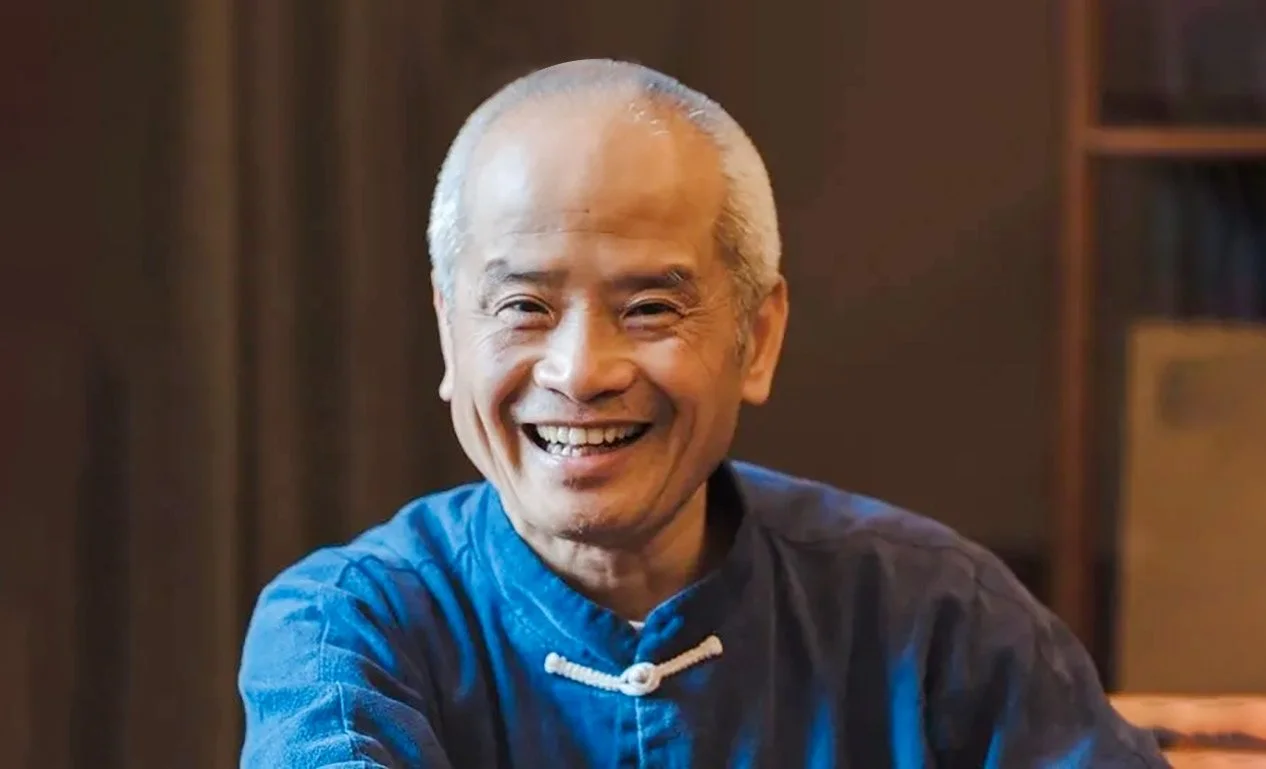
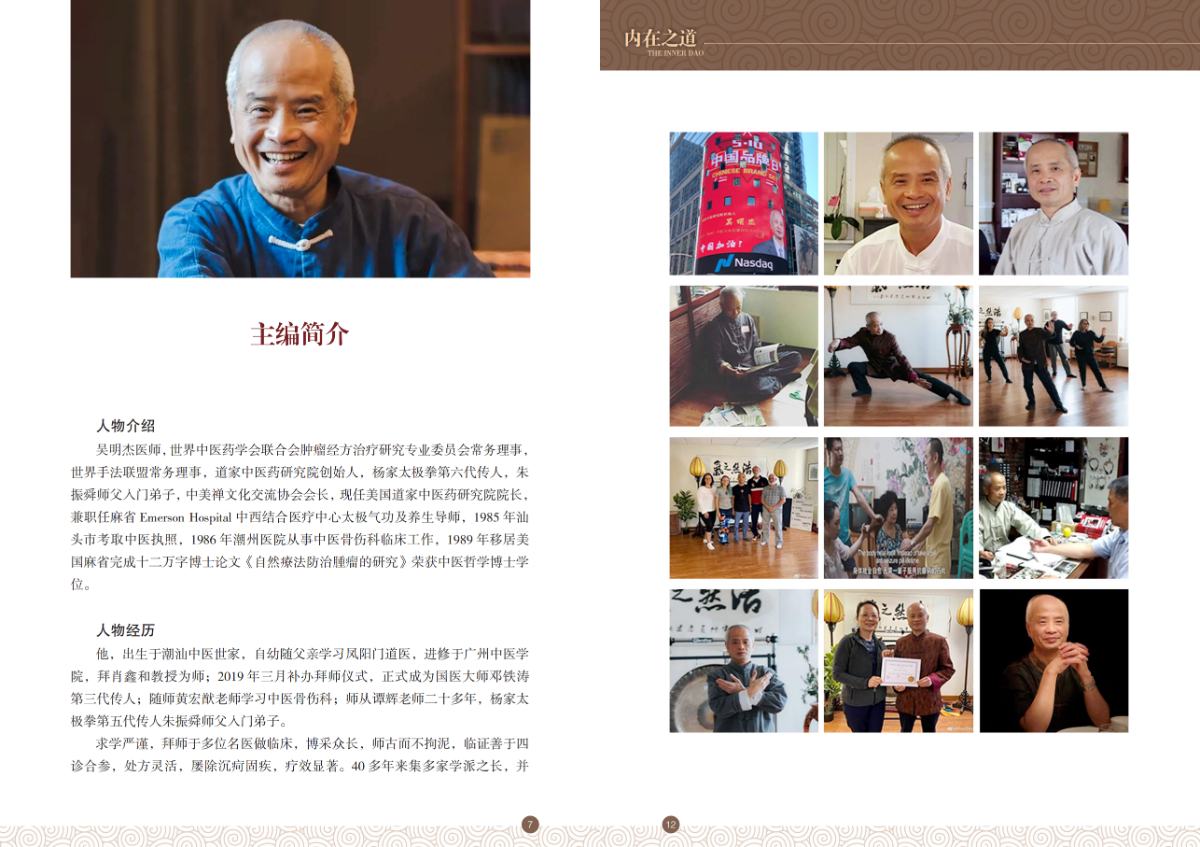
In this profound and insightful exploration, Authors, Ming Wu, Ph.D., and Judy Lin, guide us on a spiritual and medical path toward self-empowerment and unveiling the timeless wisdom of the Tao. As we witness more limitations on western medicine, this book is presenting.
order the Tao within click below llink order from amazon: a.co/d/6ryPrIz